














Music has long been recognized as a powerful tool for healing and emotional well-being. Recent stories highlight how engaging with music—whether through playing an instrument or writing personal songs—can foster profound mental health benefits and personal growth.
One inspiring example comes from a group singing session centered around the ukulele, an instrument known for its bright, cheerful sound. At a small gathering, actress Justine Clarke led ten women in singing “Tonight You Belong To Me,” teaching harmonies and rounds accompanied by the ukulele’s light melodies. Participants described the experience as deeply joyful and connected, akin to a comforting warmth on a cold day. For many, this moment rekindled a long-lost passion for music and reminded them of the unique emotional nourishment that communal music-making provides.
Encouraged by this revival, one participant decided to learn the ukulele herself, overcoming initial challenges like finger soreness through consistent practice. She enrolled in an online beginner course and soon found herself immersed in the instrument’s charms. This new musical pursuit brought her happiness comparable to significant life joys such as falling in love or rediscovering childhood pleasures. She now advocates for others to try the ukulele, sharing resources to help friends experience similar mental and emotional uplift.
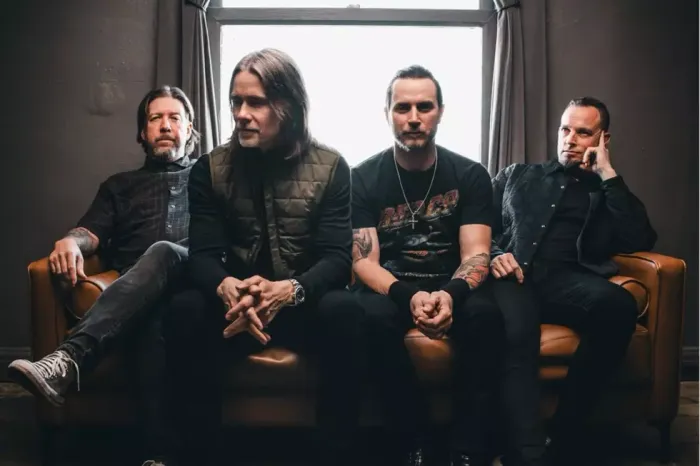
Meanwhile, musician Tim Montana shared his journey of self-healing through songwriting. After confronting childhood trauma and being diagnosed with PTSD, Montana turned to therapy and songwriting as ways to process his experiences. His latest single, “Break Me Down,” reflects this deeply personal work. He spoke openly about how music serves as both a therapeutic outlet and a challenge, sometimes stirring difficult emotions but ultimately helping him move forward. Montana emphasized the importance of addressing mental health openly, especially given the high rates of teen suicide in his home state.
Montana’s story highlights how writing music can serve as a form of therapy, allowing artists to express pain, hope, and healing in ways that resonate with listeners. His forthcoming album promises to continue exploring these themes with honesty and raw emotion. Both Montana’s songwriting and the communal ukulele sessions underscore music’s unique ability to connect people, foster healing, and inspire renewed joy.
These accounts illustrate that songs about healing are not just artistic expressions but vital tools for mental wellness. Whether through group singing, learning an instrument like the ukulele, or writing deeply personal lyrics, music offers pathways to rediscover happiness and cope with life’s challenges. As more people embrace music therapy practices, its role in promoting emotional health continues to grow stronger across communities worldwide.