




















Afrika Bambaataa, a foundational figure in hip-hop culture, passed away at the age of 67 due to complications from cancer. Born Lance Taylor in the Bronx, New York, Bambaataa is widely recognized as one of the key architects behind the birth and growth of hip-hop during the 1970s. His early life in the South Bronx was marked by involvement in the Black Spades gang, where he rose to a leadership position. However, he redirected his energy towards uniting young people through music and culture.
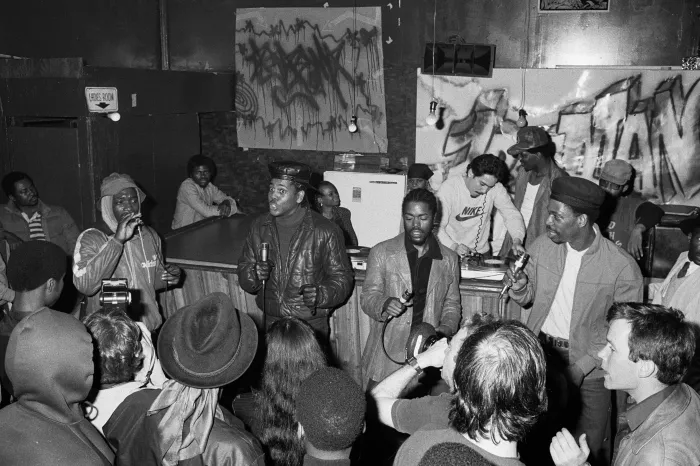
In the mid-1970s, Bambaataa began organizing block parties in the South Bronx that became essential spaces for hip-hop’s development. These events brought together DJs, rappers, dancers, and graffiti artists and laid the groundwork for hip-hop as a global cultural movement. He founded the Universal Zulu Nation, an organization promoting peace, unity, love, and social consciousness within hip-hop. The Zulu Nation became a platform for artists committed to positive messages and community empowerment.
Bambaataa’s musical career took off with his first single “Zulu Nation Throwdown” in 1980. His most famous track, “Planet Rock,” released in 1982 with the Soulsonic Force, combined hip-hop with electronic music influences and reached number four on the U.S. R&B charts. This song played a significant role in shaping electro-funk and inspiring future generations of musicians worldwide.
Beyond music, Bambaataa was involved in social activism. In 1985, he contributed to the anti-apartheid album “Sun City,” collaborating with artists from diverse genres to protest racial segregation in South Africa. Later in life, he expanded his influence as a visiting scholar at Cornell University, sharing his knowledge of hip-hop culture with students.
Despite his pioneering contributions, Bambaataa’s legacy is complicated by serious allegations of sexual abuse that surfaced from 2016 onward. Multiple individuals accused him of abuse dating back to the 1970s through the 1990s. He denied these claims, but legal actions led to a civil judgment against him in 2025 after he failed to appear in court. The Universal Zulu Nation formally distanced itself from him following these revelations.
Afrika Bambaataa’s death marks the end of an era for hip-hop’s founding generation. His work helped transform the Bronx into the birthplace of a cultural movement that now reaches every corner of the world. While his legacy includes groundbreaking artistic achievements and social impact, it also carries unresolved controversies that continue to affect how he is remembered within the hip-hop community.
His passing was confirmed by friends and members of the Universal Zulu Nation who expressed sorrow over losing a key figure whose vision shaped early hip-hop identity. As discussions about his life continue, Bambaataa remains an influential yet complex figure in music history.