





















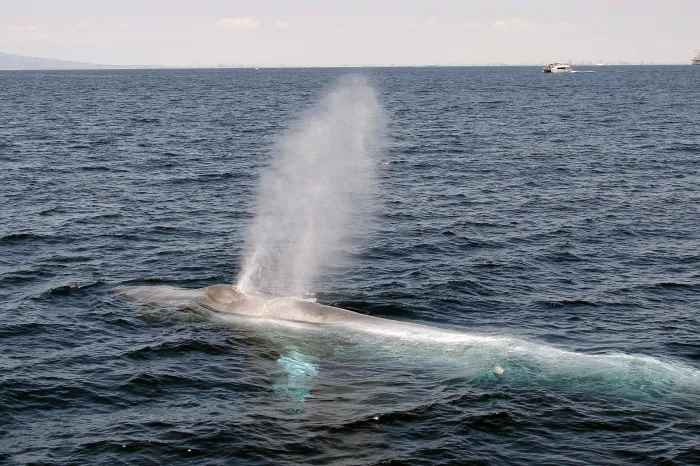
Whale songs have long fascinated scientists and the public alike, serving as an extraordinary window into the lives and health of some of the ocean’s largest creatures. These complex vocalizations, particularly from humpback and blue whales, play crucial roles in communication, mating, and social interaction. Recent studies have also shown that whale songs can provide valuable information about environmental changes and species resilience.
Humpback whales produce intricate songs that can last from six to thirty minutes, composed of repeated sequences of sounds known as themes and phrases. Remarkably, these songs are not static; they evolve over time with whales introducing new elements each year. This dynamic nature of whale song suggests a level of intelligence and cultural transmission rarely seen outside humans. Researchers first recorded these changing melodies near Bermuda in the 1960s and have since documented similar patterns in other populations such as those in Hawaii. The ability to memorize and modify their songs reflects sophisticated cognitive abilities.
In addition to their musical complexity, whale songs also respond to environmental factors like food availability. A six-year study conducted off the coast of California used underwater microphones to monitor the singing behavior of humpback, blue, and fin whales in relation to changes in their foraging habitats. During a marine heatwave that drastically reduced prey abundance, both humpback and blue whales sang less frequently. As food sources recovered, humpback whale song rates increased steadily. However, blue whale songs declined again after an initial rebound, likely due to their exclusive diet of krill, which became scarce again.
Humpback whales showed more adaptability by switching their diet from krill to small schooling fish such as anchovies when krill numbers fell. This dietary flexibility was mirrored by continued increases in their singing activity. Scientists confirmed these dietary shifts by analyzing isotopic markers in whale skin samples, which revealed changes consistent with their acoustic behavior. Such findings highlight how whale songs can serve as indicators of ecosystem health and species resilience amid changing ocean conditions.
While whale songs enrich our understanding of marine life, human activities pose ongoing challenges for these animals. For example, increased tourism around breeding grounds sometimes leads to harassment despite legal protections. Conservation efforts are underway in places like Hawaii where citizen committees work alongside local government to educate the public and minimize disturbances to whales during critical periods.
Beyond Earth’s oceans, whale songs have even been sent into space aboard Voyager spacecraft as part of humanity’s message to other civilizations. This act symbolizes hope that the intelligence and beauty embodied by these creatures will be recognized far beyond our planet.
In summary, the study of whale songs provides vital insights into whale behavior, intelligence, ecological adaptation, and conservation needs. Listening carefully to these underwater symphonies allows scientists to monitor ocean health and supports efforts to protect vulnerable species facing environmental pressures worldwide.