




















Hip-hop, a music genre that started in the streets of New York City in the 1970s, has grown from a cultural movement into a respected subject of academic study. Today, universities across the United States are offering courses, minors, and even full degree programs focused on hip-hop culture, music, and its social impact.
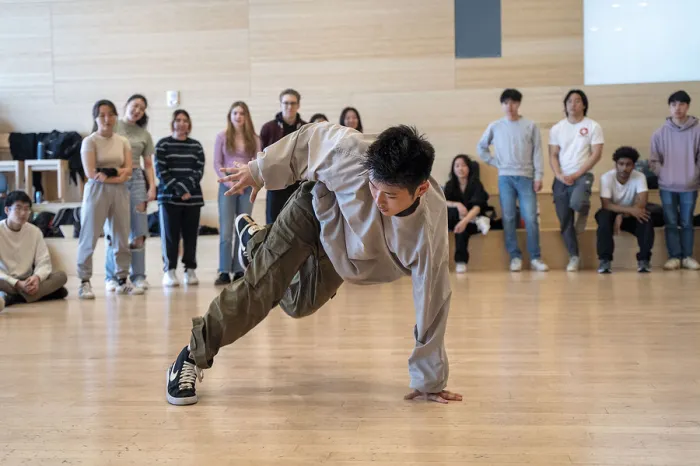
At Princeton University’s Lewis Center for the Arts, lecturer Chesney Snow teaches a course called “Miss-Education: The Women of Hip-Hop,” where students explore hip-hop through spoken word and performance. The course combines artistic expression with scholarly research, encouraging students to study hip-hop history and its connection to feminism and social issues. This class is one example of how hip-hop is bridging the gap between academic theory and real-world experience.
The academic recognition of hip-hop has expanded significantly since the first university course was offered at Howard University in 1991. Now, prestigious institutions like Johns Hopkins University’s Peabody Institute and Loyola University New Orleans provide full degrees in hip-hop studies. These programs attract students interested not only in performing but also in careers related to teaching, research, music production, and cultural preservation.
Experts note that hip-hop’s rise in academia mirrors the early acceptance of jazz studies decades ago. The growth of these programs reflects the genre’s broad influence on music, fashion, social justice movements, and global culture. Faculty members like Fred Bronstein, dean at Peabody Institute, emphasize the importance of breaking down traditional artistic boundaries and expanding what is considered serious music study.
At Temple University, Assistant Professor Timothy Welbeck uses hip-hop artist Kendrick Lamar’s albums to teach about critical social topics such as police brutality and housing segregation. Welbeck highlights that if classical composers like Beethoven can be studied for their historical significance, then contemporary artists like Lamar deserve similar academic attention.
The increasing presence of hip-hop in higher education also helps engage students by connecting their cultural interests with academic learning. Professor Toby Jenkins from the University of South Carolina explains that hip-hop courses make college feel more relevant and exciting for many students. These classes encourage creativity, authenticity, and critical thinking while exploring themes relevant to everyday life.
Despite some skepticism from parents who may see hip-hop courses as less serious, students like Princeton’s Rachel Adjei appreciate how these classes offer both intellectual challenge and personal expression. As hip-hop education grows, it opens doors for future career opportunities beyond performance alone.
The journey of hip-hop from street culture to academic discipline shows how the genre has earned its place as a powerful art form worthy of study. With more universities embracing hip-hop studies and creating dedicated programs, this cultural movement continues to shape both education and society.