










Lewis Carroll’s “Alice in Wonderland,” first published 150 years ago, continues to inspire a wide range of musical works, spanning classical compositions, pop songs, and theatrical productions. The whimsical and surreal world Carroll created has captivated musicians who explore its themes through diverse styles and formats.
One of the most iconic songs inspired by Carroll’s tale is Jefferson Airplane’s “White Rabbit,” written by Grace Slick in the mid-1960s. This psychedelic rock classic draws directly from Alice’s adventures, blending Carroll’s imagery with the counterculture spirit of the era. The song remains a symbol of 1960s music and its experimental approach.
Classical composers have also found rich material in Alice’s story. David Del Tredici’s Pulitzer Prize-winning piece “In Memory Of A Summer Day” is part of a series of works dedicated to Alice. It features vivid orchestration and a recurring child-like melody that captures the innocence and fantasy of Carroll’s world. Similarly, Joby Talbot composed the score for the Royal Ballet’s 2011 production of “Alice’s Adventures In Wonderland,” which was praised for its colorful and theatrical music that highlights the story’s eccentric characters.
Other artists have taken unique approaches to Alice-inspired music. Tom Waits released an album titled “Alice” in 2002, featuring songs written for a theatrical adaptation. The album presents a darker, more mysterious side of Wonderland, matching Waits’ distinctive style. Meanwhile, Donovan created a psychedelic spoken-word song based on “The Walrus and the Carpenter,” using Carroll’s original text with sound effects to evoke a surreal atmosphere.
The influence extends into film music as well. Danny Elfman composed the theme for Tim Burton’s film adaptation of “Alice in Wonderland,” contributing to the movie’s eerie yet whimsical tone. Additionally, Robert Smith of The Cure recorded an unusual version of “Very Good Advice” for the film’s companion album, showing how Carroll’s work continues to inspire musicians across genres.
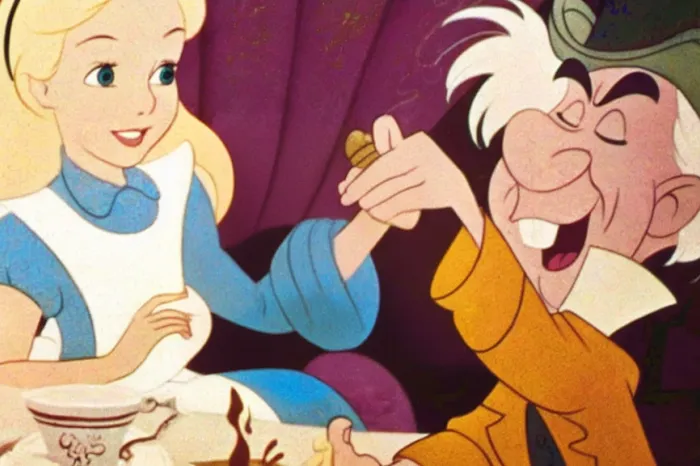
Interestingly, some Alice-related songs never reached audiences as originally intended. Don Raye wrote “Beware the Jabberwock” for Disney’s 1951 “Alice in Wonderland” film, but it was cut because it was deemed too frightening for children. The song included eerie lyrics warning about mythical creatures from Carroll’s poem “Jabberwocky,” offering a glimpse into a darker interpretation that was ultimately left out.
More recently, popular music continues to draw on Alice imagery. Taylor Swift’s song “Wonderland” references falling down the rabbit hole and alludes to characters like the Cheshire Cat. This demonstrates how Carroll’s themes remain relevant and adaptable to modern pop culture.
Looking ahead, Alice in Wonderland is set to inspire new musical projects on screen. Universal Pictures is developing a new big-budget musical film starring Sabrina Carpenter, who is also producing the project. The film promises to bring a fresh interpretation of Wonderland with contemporary musical elements and creative storytelling, continuing the tradition of reimagining Carroll’s timeless tale through music.
Overall, from classical ballet scores to rock anthems and upcoming musicals, Lewis Carroll’s Alice in Wonderland remains a powerful muse for musicians around the world. Its blend of fantasy, whimsy, and mystery offers endless creative possibilities that resonate across generations.