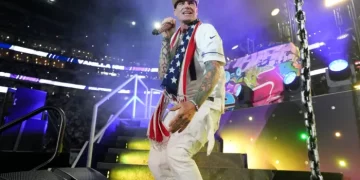
















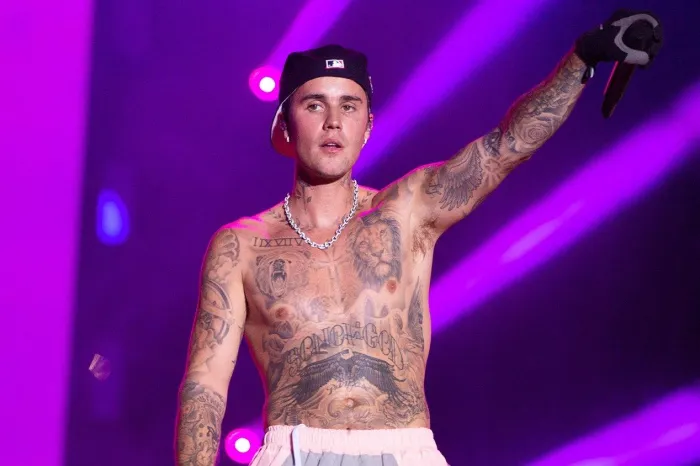
At the recent Coachella music festival, pop superstar Justin Bieber captivated an audience of over 100 million viewers worldwide by incorporating a deeply spiritual moment into his headline performance. During his set, Bieber performed “Glory Voice Memo,” a worship song that stands out for its raw and heartfelt expression of faith. This unexpected inclusion transformed the festival’s typically high-energy atmosphere into an intimate worship experience, resonating strongly with fans and viewers alike.
Bieber’s performance seamlessly blended contemporary pop with moments of reflective worship. Throughout the show, he moved between songs from his latest SWAG era and nostalgic segments where he revisited clips from his early career. However, it was the worship song “Glory Voice Memo” that truly captured the crowd’s attention, creating a pause in the concert that felt authentic and emotionally charged rather than staged.
This moment highlighted a growing trend among artists who are bringing church-related worship songs to mainstream music stages and tours. Such performances emphasize spirituality and faith, often using music as a bridge to connect with audiences on a deeper level. Bieber’s choice to feature worship songs about the church on one of pop culture’s biggest platforms reflects how worship music is gaining broader recognition beyond traditional church settings.
The impact of worship songs during live performances has expanded over recent years, with more artists integrating faith-based themes into their tours and concerts. These songs often focus on themes of hope, praise, and community, which resonate with diverse audiences regardless of religious background. Bieber’s Coachella set is a prominent example of how worship music can be embraced in popular entertainment while maintaining its spiritual essence.
Fans and critics alike have praised Bieber’s decision to lead millions in a moment of worship during such a widely viewed event. The performance not only showcased his musical evolution but also underscored the significance of faith in his personal life and artistry. It signals a shift where worship songs about the church are no longer confined to religious gatherings but are becoming integral to large-scale music events worldwide.
As more performers incorporate worship elements into their tours, the presence of church-related worship songs in mainstream music continues to grow. This trend highlights the enduring power of music as a tool for spiritual connection and public expression of faith across diverse cultural settings.