




















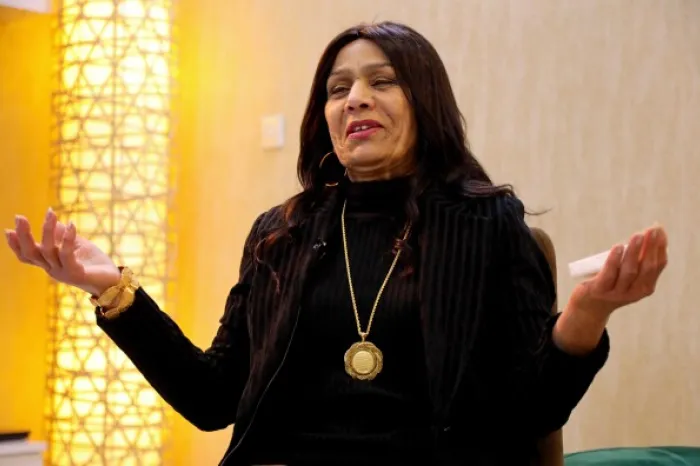
Sajida Obaid, a revered Iraqi singer celebrated for creating spaces of freedom for women through her music, passed away on April 4 at the age of 68. Her death sparked deep mourning, especially among women who found in her songs and gatherings a rare chance to express themselves openly in a society where women’s public presence is often restricted.
Early Life and Musical Rise
Born in Baghdad in 1957 into a Roma family, Obaid’s musical talent emerged early. She began performing at social events to support her family and quickly gained recognition for her warm, commanding voice. Her style was a unique blend of traditional Kawliya dance rhythms and the emotive Iraqi mawal, which resonated widely. Despite the oppressive environment under Saddam Hussein’s regime—where she was even compelled to sing at the dictator’s family functions—Obaid rose to national prominence and toured internationally.
Creating Safe Spaces for Women
What distinguished Sajida Obaid was her dedication to organizing women-only parties where attendees could freely dress, dance, and express themselves without fear of judgment or surveillance. These gatherings were entirely staffed by women, with strict no-photography rules to protect privacy. For many Iraqi women, these events were more than celebrations; they were liberating experiences that challenged social norms restricting female behavior in public.
Addressing Social Issues Through Music
Obaid’s songs often tackled bold social themes. For instance, “Inkasarat al-Sheesha” addressed the sensitive topic of a woman facing consequences after losing her virginity—an issue rarely discussed openly in Iraq. Her fearless storytelling struck a chord with women confronting shrinking rights amid recent legal rollbacks affecting marriage and inheritance protections.
Later Years and Lasting Impact
In her final years, Obaid lived quietly with her family in Irbil. Despite battling lung cancer, she stayed connected to music and her community until her health declined. Her passing leaves a significant void for fans and friends who remember her not only for her powerful voice but also for the safe environments she created where women could experience freedom through music.
Legacy of Resistance and Hope
As Iraq continues to grapple with challenges surrounding women’s rights and freedoms, Sajida Obaid’s legacy endures as a beacon of resistance and hope. The safe spaces she fostered and her courageous music remain cherished memories for countless Iraqi women striving daily for moments of liberation.