



















April marks a season of renewal and cultural celebration across parts of India and Bangladesh, where festivals like Rongali Bihu and Poila Boishakh bring communities together through music, dance, and traditional rituals. These events highlight the deep connection between cultural identity and the themes of new beginnings.
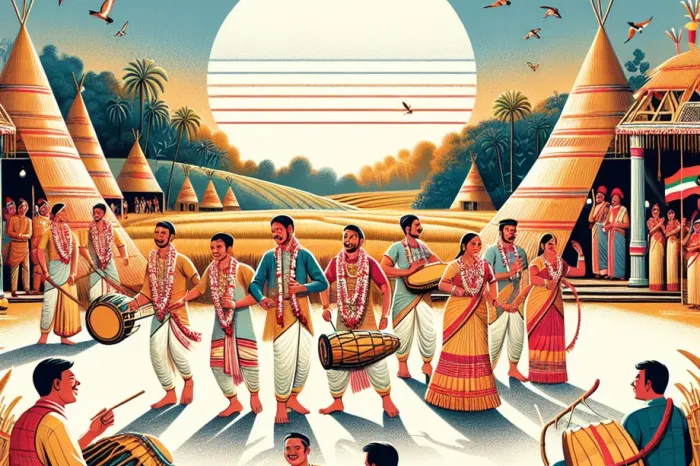
Rongali Bihu, also known as Bohag Bihu, is the chief festival of Assam celebrated in mid-April to mark the Assamese New Year and the arrival of spring. This seven-day festival is characterized by vibrant Bihu songs, traditional dances, community feasts, and the exchange of the Assamese Gamocha, a symbol of respect and goodwill. Prime Minister Narendra Modi extended warm wishes to the people of Assam and its diaspora, calling Rongali Bihu a vibrant festival that celebrates prosperity and togetherness. Union ministers Amit Shah and J.P. Nadda also joined in conveying greetings, emphasizing the festival’s cultural significance and its message of hope for a year filled with happiness and progress.
In cities far from Assam, such as Hyderabad and Navi Mumbai, Assamese communities recreate the festive spirit despite smaller numbers. In Hyderabad, informal gatherings feature songs by popular artists like Zubeen Garg that evoke memories of home. Participants share traditional foods such as pitha while engaging in Bihu dance and music to maintain a sense of cultural connection. Meanwhile, in Navi Mumbai, the Assamese Welfare Association organized elaborate celebrations with traditional Husori performances, dances, devotional rituals, and feasts featuring herb-infused vegetables and non-vegetarian dishes served on bamboo baskets.
Similarly, Poila Boishakh in West Bengal marks the Bengali New Year with music, food, and community gatherings. In Pune, Bengalis come together to celebrate with recitals of Rabindranath Tagore’s songs, traditional attire, and special meals including dishes like luchi, cholar dal, chingri malaikari (prawn curry), kosha mangsho (spicy mutton), and mishti doi (sweet curd). The festival also includes rituals such as Haalkhata where business owners close old accounts and open new ones to usher in prosperity. These celebrations are not only about traditions but also about reconnecting with roots and fostering a shared cultural identity among diaspora communities.
Across the border in Bangladesh, Pahela Baishakh carries a similar spirit of renewal. Rooted in agrarian traditions dating back centuries, this festival encourages people to leave behind past burdens and embrace hope for the future. The day features folk music performances, fairs, traditional foods, and symbolic rituals like cleaning homes and wearing new clothes. The celebration has evolved over time to include vibrant urban elements such as Mangal Shobhajatra processions that represent resistance and unity.
Music plays a central role in these festivals about new beginnings—whether it is folk tunes echoing through rural fields or modern renditions by popular singers in urban diaspora gatherings. Songs during Rongali Bihu and Poila Boishakh express joy, hope, unity, and respect for nature’s cycles. They provide an emotional anchor that helps communities maintain their cultural heritage even when far from their ancestral homes.
These festivals collectively highlight how song and celebration serve as powerful expressions of identity and renewal. They remind people that every new year brings opportunities for happiness, prosperity, unity, and cultural pride. Through shared music and customs, communities reaffirm bonds that transcend geography while honoring traditions passed down through generations.