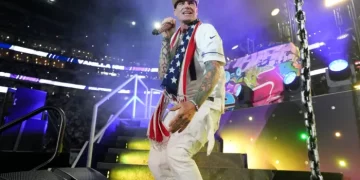
















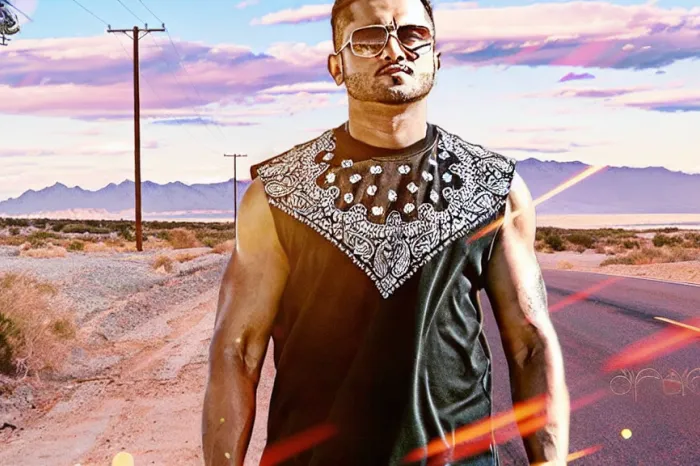
The Pune city police have issued strict orders banning rapper-singer Yo Yo Honey Singh from performing any songs that promote alcohol, drugs, or weapons at his upcoming concert. The event is scheduled for April 18 at Mahalaxmi Lawns on Pune-Ahilyanagar Road. This directive follows concerns raised by child protection officials and social activists who argue that such content could negatively influence children.
District child protection officer Mangesh Jadhav sent a letter to the police highlighting that some of Honey Singh’s popular songs glorify substance use and gun culture. Jadhav specifically requested that no “vulgar language” or objectionable content be allowed during the performance. He cited songs like ‘One Bottle Down’, ‘Chaar Bottle Vodka’, ‘Manali Trance’, ‘This Party Getting Hot’, and ‘Makhna’ as examples of content deemed inappropriate for a public concert where children might be present.
The police have communicated these restrictions to the event organizers, who have agreed to comply fully with the guidelines. Deputy Commissioner of Police Somay Munde emphasized that the authorities do not object to the concert itself but want to ensure that it adheres to child-appropriate standards and statutory safeguards. The concert had been initially planned for April 4 but was postponed due to heavy rainfall in Pune.
The concerns stem from a complaint filed by Chandigarh-based sociology professor Punditrao Dharenavar, who has campaigned for nearly a decade against music that promotes harmful behaviors such as alcohol consumption, drug use, and violence. Dharenavar has approached various state authorities, including those in Telangana, Gujarat, Mumbai, and Punjab, urging them to take action against such performances. He has also taken legal steps in high courts to restrict such content in public shows.
In addition to song content, Dharenavar raised objections to stage acts like bringing cars onto the platform during performances, which he believes further glamorizes risky behavior. However, police officials confirmed that no such acts are planned for the Pune event. Dharenavar’s campaign reflects a broader debate on the influence of popular music on youth behavior and the responsibilities of performers and organizers in curating event content.
This move by Pune police underscores growing sensitivity towards safeguarding children from exposure to media that may encourage unhealthy habits. It also highlights ongoing tensions between artistic freedom and social responsibility in the entertainment industry. As concerts remain a major avenue for reaching young audiences, authorities are increasingly vigilant about content that might promote substance use or violence.
While fans eagerly await Honey Singh’s performance, organizers must now carefully select songs and stage acts that align with regulatory guidelines. This case may set a precedent for future concerts across India where authorities balance cultural expression with protecting vulnerable groups from potentially harmful influences.