




















Hip-hop is far more than just a music genre; it is a vibrant cultural movement that has deeply influenced generations worldwide. Originating in the Bronx during the 1970s, hip-hop grew from a local expression of urban life into a global phenomenon that blends music, art, fashion, and social commentary. Its impact continues to resonate today, shaping identities and communities across continents.
One of the pioneers of hip-hop culture was Afrika Bambaataa, whose vision helped transform the Bronx into the birthplace of this influential movement. As a co-founder of the Universal Zulu Nation, Bambaataa promoted values of peace, unity, love, and fun through hip-hop. His 1982 hit “Planet Rock” became a cornerstone of early hip-hop music, influencing the sound and style that would define the genre in the 1980s. Despite controversies in his later years, Bambaataa’s role in laying the foundation for hip-hop as a cultural force remains significant.
The evolution of hip-hop continued with artists like Dr. Dre, who shaped modern beats and production styles. Rising from Compton’s streets in the 1980s, Dr. Dre pioneered the G-funk sound that combined funk samples with gritty street narratives. His work with groups like N.W.A. brought raw urban realities to national attention, influencing listeners across North America and beyond. Dre’s production helped launch the careers of stars such as Eminem and Snoop Dogg, cementing hip-hop’s role in mainstream culture. His influence extends beyond music into business with ventures like Beats by Dre, showing how hip-hop artists can build empires that blend music and technology.
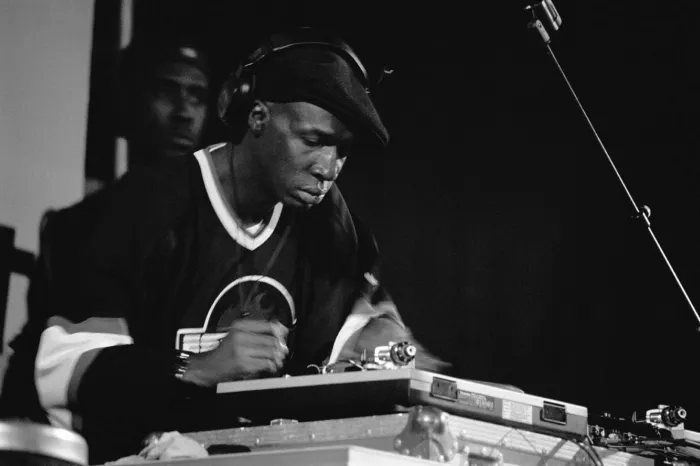
Another key figure was Guru from Gang Starr, who represented hip-hop’s intellectual and lyrical side. Known for his deep voice and thoughtful delivery, Guru combined street wisdom with knowledge in his music. His Jazzmatazz series uniquely blended hip-hop with live jazz instruments, bridging generations of music lovers and expanding hip-hop’s artistic reach globally. Guru’s focus on substance over flash helped maintain hip-hop’s core values even as the culture grew commercialized.
Despite its growth, some artists express concern about how commercialization has affected hip-hop’s spirit. Q-Tip, a respected rapper and producer, reflected on how capitalism altered the culture by prioritizing profit over message. Yet he remains hopeful about underground movements that keep the original essence alive and inspire continuous innovation within the genre.
Today, hip-hop is more than just sound; it is a lifestyle that influences fashion, language, and social movements worldwide. It continues to be a platform for addressing issues like race, inequality, and community struggles while inspiring creativity among youth globally. From streaming playlists to major music festivals, hip-hop’s enduring presence proves its power as a cultural force that connects people across generations and geographies.
Understanding whether hip-hop is simply a genre or an entire culture reveals its vast influence beyond music alone. It embodies history, identity, entrepreneurship, art forms like graffiti and dance, and ongoing social dialogue. Hip-hop remains an evolving movement that honors its roots while adapting to new voices and technologies shaping tomorrow’s culture.