
















Hip-hop has long been more than just music; it is a powerful culture that shapes society and reflects the experiences of diverse communities. From its roots in New York City to its rise across the American South, hip-hop artists have used their platform to educate, entertain, and inspire change. The ongoing debate about hip-hop’s role as a culture continues to evolve, fueled by voices both past and present.
Big Gipp, a respected figure in the hip-hop community, recently sparked renewed discussion by addressing the decline of New York’s dominance in the genre. He argued that New York’s hip-hop was “schematically eliminated” because it carried too much intellectual depth. Gipp pointed to legendary artists like Chuck D, Public Enemy, Professor X, and King Sun who created music that was politically charged and socially conscious. According to him, the industry pushed away this knowledge-driven style because it encouraged listeners to think critically about issues like race and power, which may have been uncomfortable for some gatekeepers.
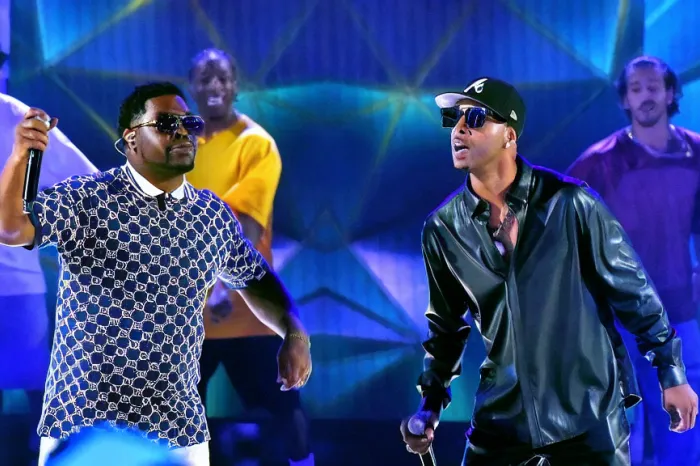
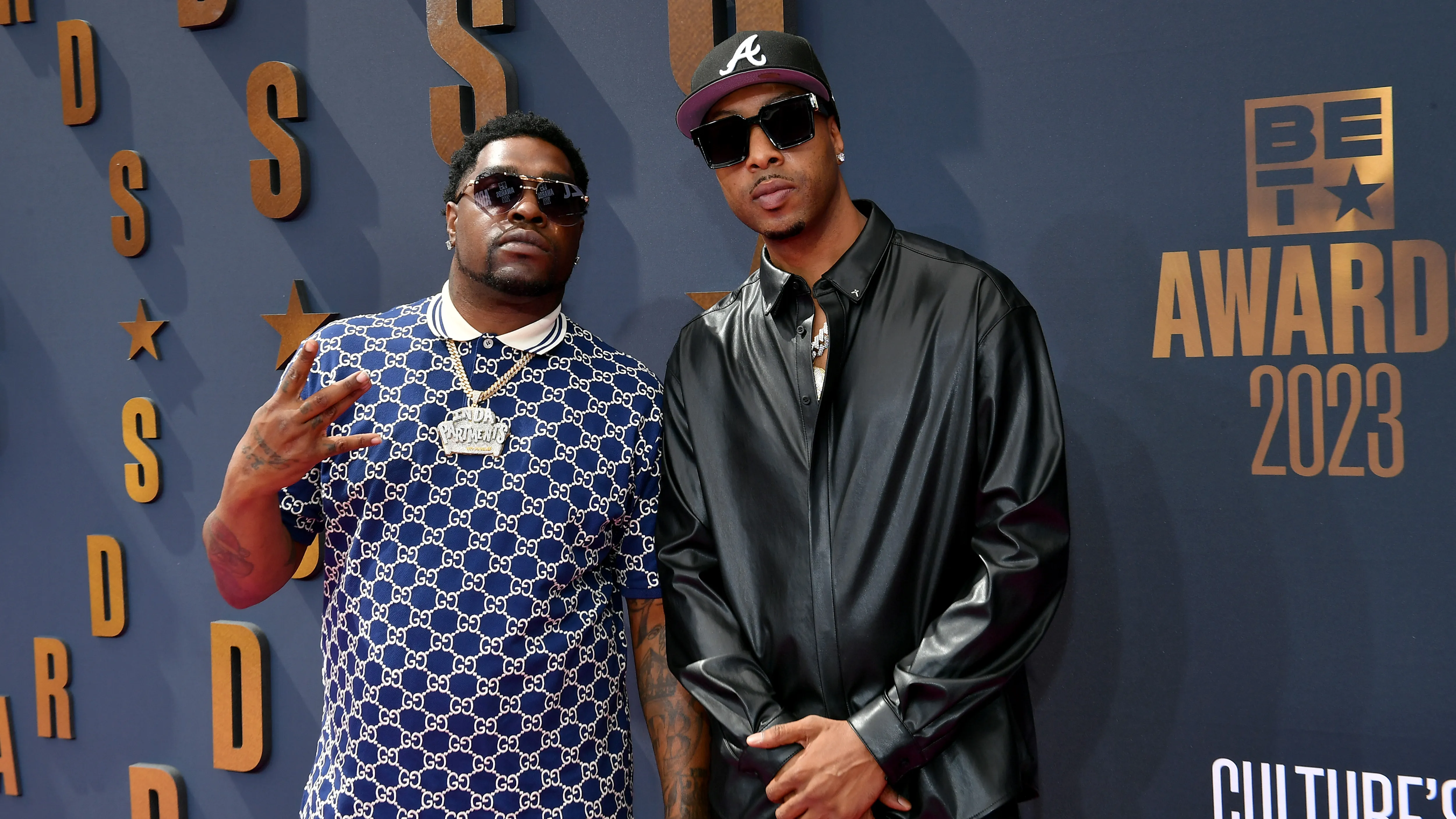
The shift away from New York’s intellectual hip-hop coincided with the rise of Southern hip-hop in the late 1990s and early 2000s. Cities like Atlanta, Memphis, Houston, and Miami brought new styles such as crunk and snap music, which were rooted in their unique cultural experiences. Groups like Crime Mob and Dem Franchize Boyz helped popularize these sounds with energetic performances and catchy hooks. Their influence extended beyond music to fashion, slang, and dance trends that still resonate today. Members of these groups emphasize their role in shaping hip-hop culture and recognize emerging artists who continue to innovate while honoring their legacy.
One pivotal moment that highlighted regional tensions within hip-hop occurred at the 1995 Source Awards when OutKast was booed by a predominantly East Coast audience. Producer Mr. DJ recalls how Southern hip-hop was not yet fully accepted by the industry or fans from other regions. The line “The South got something to say,” spoken by André 3000 at that event, later became an anthem symbolizing Southern rap’s rise to prominence despite initial resistance. This incident underscored how hip-hop’s cultural landscape was expanding beyond traditional boundaries.
Recognition of hip-hop artists has grown significantly over time, with many receiving keys to their cities as a tribute to their impact on music and community. Notable figures such as Kendrick Lamar, Drake, Nicki Minaj, Dr. Dre, Lil’ Kim, Ludacris, and many others have been honored for their artistic contributions as well as philanthropic efforts. These honors reflect how hip-hop artists are celebrated not only for their creativity but also for their roles as leaders and advocates within their hometowns.
The awarding of keys symbolizes acceptance of hip-hop as an integral part of local identity and culture. Artists like Curren$y in New Orleans and DDG in Pontiac use their platforms to give back to their communities while inspiring new generations of fans and musicians. This recognition also highlights the diverse ways hip-hop influences society — through education, social awareness, economic empowerment, and cultural expression.
In summary, hip-hop is undeniably a culture that transcends music alone. It embodies history, social commentary, innovation, community pride, and ongoing dialogue about identity and power structures. As demonstrated by both historical moments and recent honors bestowed upon artists nationwide, hip-hop continues to shape society while earning respect as a vital cultural force.