



















Hip hop is much more than just music; it is a powerful cultural movement that has shaped identities and communities around the world. Originating in the Bronx in the 1970s, hip hop grew from local block parties into a global phenomenon. Its core elements—DJing, rapping, breakdancing, and graffiti—reflect the creativity and resilience of urban youth. The culture has continuously evolved, influenced by pioneers who documented its growth and helped spread its message.
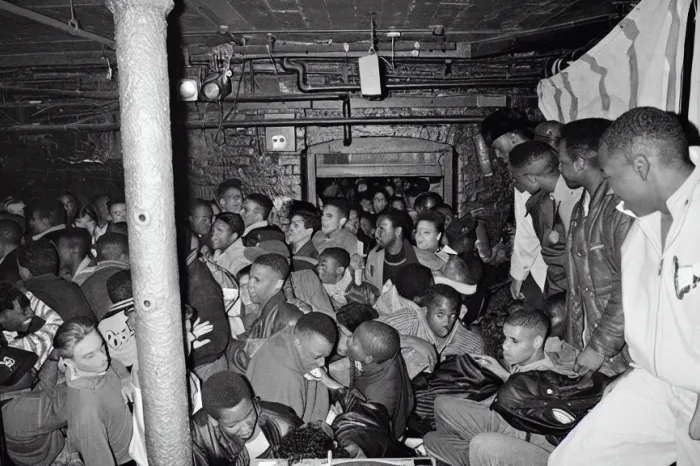
Among the key figures who captured hip hop’s spirit through photography are Eddie Otchere and Normski, two British photographers whose work has become essential in chronicling the movement’s history. Otchere and Normski documented not only music but also the vibrant scenes of youth culture in London and beyond. Their images bring to life moments from underground clubs to iconic performances, showing hip hop as a living, breathing culture deeply rooted in community.
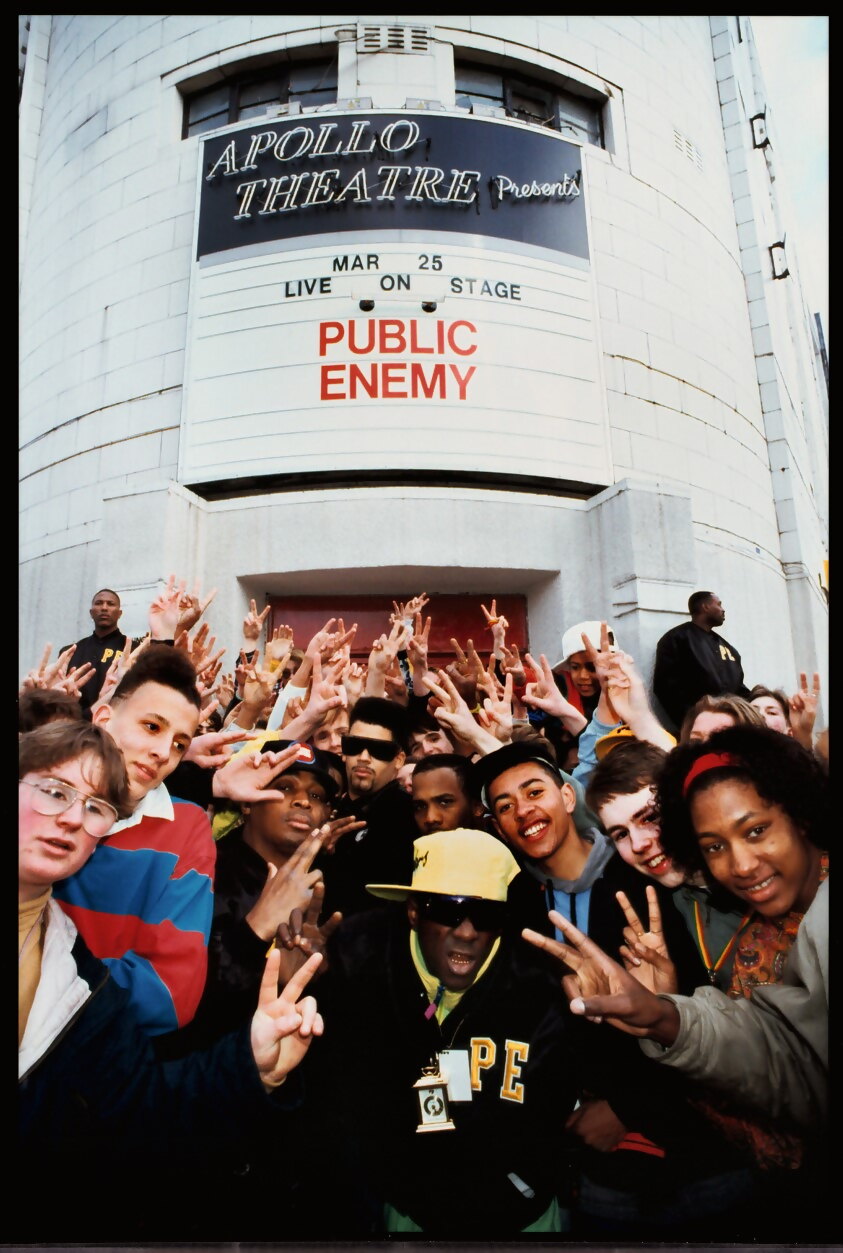
Eddie Otchere’s photographs highlight the energy of British drum ’n’ bass and garage scenes while capturing global artists like Wu-Tang Clan and Estelle during pivotal moments. His work reflects his deep connection to his Brixton roots and his role as both participant and observer of Black British music culture. Similarly, Normski’s early work includes historic shots of American rap legends such as Public Enemy and N.W.A., brought to London stages. His images reveal the raw energy of live performances and street style, preserving a unique era of hip hop history.
The cultural significance of hip hop pioneers extends beyond music to social impact. Afrika Bambaataa, often called one of hip hop’s founding fathers, played a major role in shaping the movement’s values of peace, unity, love, and fun through his Universal Zulu Nation organization. His work helped transform hip hop into a global platform for community building and social change. Despite controversies later in his life, Bambaataa’s influence on hip hop’s early development remains undeniable.
Hip hop’s identity as a culture is also expressed through fashion and attitude. Photographs of groups like So Solid Crew and She Rockers capture how style became a form of expression and identity for young people navigating their environments. These images show how hip hop culture in the UK developed its own voice, distinct yet connected to its American origins.
Today, exhibitions like ‘The Music is Black’ at V&A East celebrate hip hop’s rich history and ongoing evolution. The work of photographers like Otchere and Normski continues to inspire new generations by preserving moments that define hip hop’s impact on society. As a cultural movement, hip hop remains a powerful force for creativity, identity, and social dialogue worldwide.