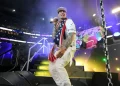





Hip-hop continues to be a powerful cultural force, reflecting the complexities and changes within society. As the genre marks over five decades of influence, its subgenres and artistic expressions reveal how it adapts to shifting cultural landscapes. One of the most talked-about developments in recent years is the rise of meme rap, a subgenre that challenges traditional hip-hop norms with its eccentric and often absurd style. This evolution raises important questions about what defines hip-hop as a culture today.
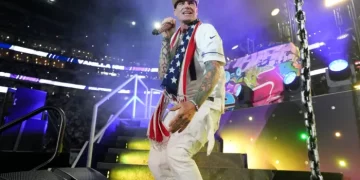
Meme rap stands out for its unconventional approach, featuring outlandish lyrics, off-beat rapping, and sometimes intentionally off-key singing. It represents a form of musical expression that embraces absurdity and online virality over conventional musical craftsmanship. Artists like Lil B pioneered this movement by breaking taboos and rejecting standard expectations of rap performance. Following his lead, many artists have leveraged internet fame into mainstream success, including Doja Cat and members of Odd Future. However, not all meme rappers achieve lasting commercial success, highlighting the challenges faced by artists who rely on this unpredictable form of popularity.
The rise of meme rap also reflects deeper cultural shifts within hip-hop’s traditional themes. The genre’s historic focus on hypermasculinity and displays of wealth is increasingly at odds with contemporary social realities. As these tropes lose relevance, meme rap emerges as a response to the contradictions within hip-hop culture and society at large. This subgenre can be seen as both a critique and an expression of frustration amid broader societal changes affecting masculinity, economic status, and artistic authenticity.
Meanwhile, new global hip-hop groups are redefining the genre’s reach and identity. The recently debuted group H//PE Princess is a prime example. Composed of seven members from diverse backgrounds, they blend global influences with core hip-hop elements under the guidance of notable producers like Gaeko of Dynamic Duo. Their upcoming debut mini-album and participation in major international events demonstrate hip-hop’s expanding cultural footprint beyond its American roots.
Hip-hop’s influence also extends into other artistic forms such as theater. The Face Off Theater’s production “Cinderella, the Remix” reimagines the classic fairy tale through a hip-hop lens, portraying Cinderella as an aspiring DJ in a male-dominated world. This adaptation incorporates elements from the 1990s Golden Era of hip-hop and highlights female MCs’ contributions to the genre. Such projects showcase how hip-hop culture inspires creative reinterpretations across various mediums.
Together, these developments illustrate that hip-hop remains much more than just music; it is a dynamic cultural phenomenon continually reshaped by social realities and artistic innovation. Whether through meme rap’s chaotic energy, global groups’ fresh perspectives, or theatrical reinterpretations of classic stories, hip-hop’s evolving culture challenges audiences to reconsider its boundaries and significance in today’s world.