






















Songs about sisters often reflect deep emotional ties, shared memories, and sometimes complicated relationships, especially in Indian music and culture. Among the most iconic examples are the lives and careers of legendary singers Asha Bhosle and Lata Mangeshkar, whose sisterhood has inspired countless fans worldwide. Their story is one of talent, rivalry, reconciliation, and enduring love, echoing the themes found in many songs dedicated to sisterly bonds.
Asha Bhosle and Lata Mangeshkar, both celebrated voices in Indian music, have been at the heart of discussions about sibling relationships in the arts. Recently, after Asha Bhosle’s hospitalization at Mumbai’s Breach Candy Hospital due to exhaustion and a chest infection, a cherished childhood photograph of the sisters resurfaced on social media. This black-and-white image captures a tender moment between the two as children and has been widely shared by fans and fellow artists alike. It reminds many of the warmth and affection that underpinned their early years despite later challenges.
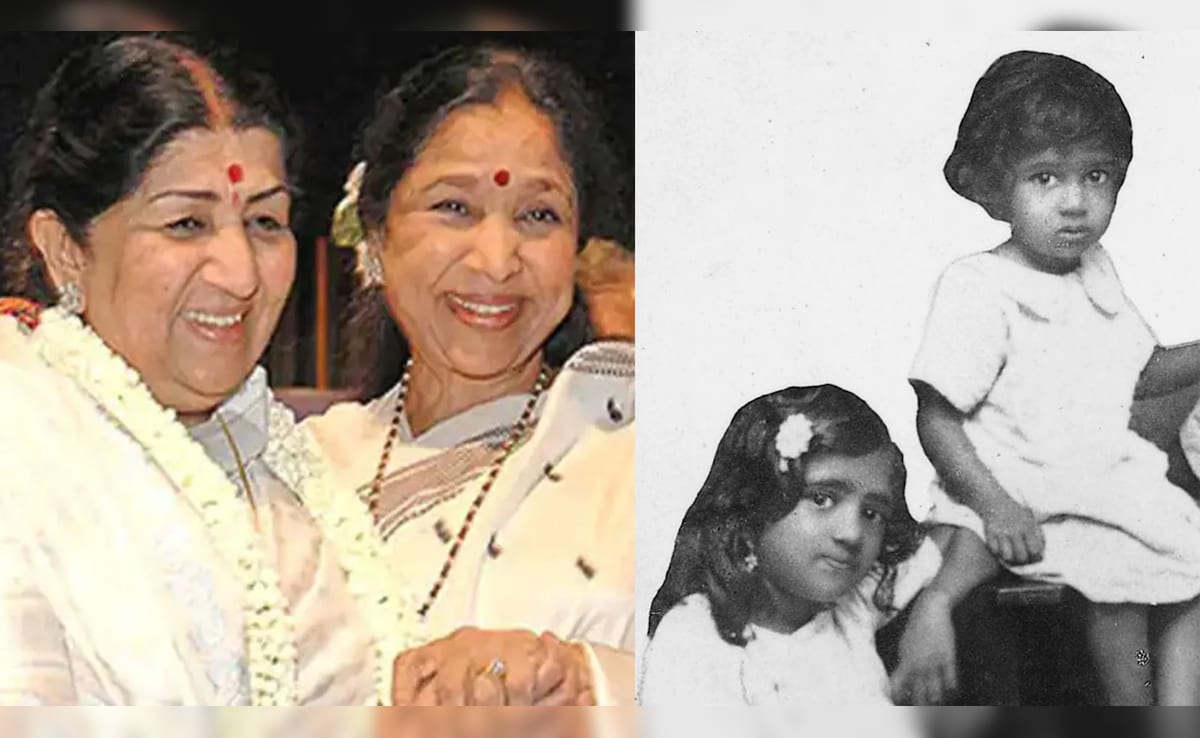
However, their relationship was not without its struggles. The sisters experienced a significant rift in the 1950s when Asha married Ganpatrao Bhosle at just 16 years old. Ganpatrao was much older and worked as Lata’s secretary, a union that shocked the family. Lata openly admitted to having been so upset by Asha’s decision that she once hit her sister, leading to Asha leaving home. This estrangement lasted for years, during which Asha faced severe hardships including financial dependence and emotional isolation. She was reportedly forced to juggle demanding playback singing schedules while also managing household responsibilities under difficult circumstances.
Despite these difficulties, time healed many wounds. The sisters eventually reconciled and even purchased homes next to each other in Mumbai’s upscale Pedder Road neighborhood. Lata admired Asha’s resilience through her ordeals but also noted her tendency to take things deeply to heart. Their renewed bond allowed for mutual support and guidance in their musical careers, with Lata encouraging Asha to be selective about her collaborations with music directors.
Beyond their personal stories, both sisters have left an indelible mark on Indian music through songs that celebrate or reflect sisterly relationships. Their voices have brought life to melodies that explore themes of love, sacrifice, support, and sometimes conflict between siblings. These songs resonate across generations because they capture universal feelings that many experience within families.
Asha Bhosle’s life story also highlights themes common in songs about sisters—rebellion, heartbreak, perseverance, and ultimately growth. After separating from her first husband Ganpatrao Bhosle, she found love again with renowned composer R.D. Burman. Their partnership was both personal and professional, producing some of the most memorable songs in Bollywood history despite social challenges such as age differences and familial opposition.
In sum, songs about sisters are more than just entertainment; they reflect complex human emotions tied to family dynamics. The real-life experiences of Asha Bhosle and Lata Mangeshkar enrich this cultural tapestry by showing how sibling relationships can be fraught yet deeply loving. Their legacy continues to inspire music lovers around the world who find comfort and connection in melodies that honor sisterhood.