




















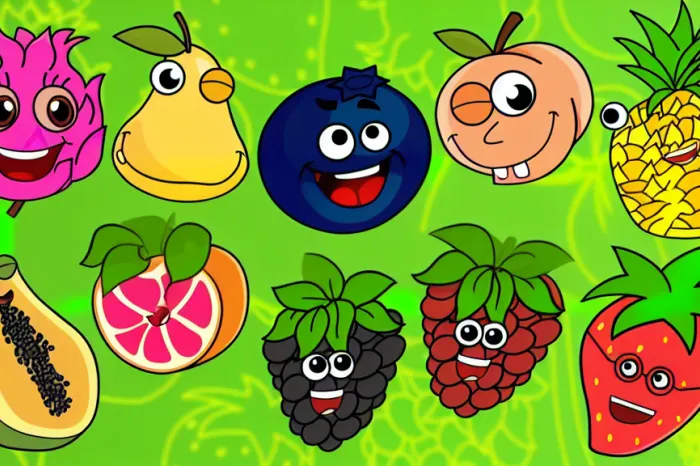
Songs about fruit have long held a cherished place in children’s music, serving as fun and educational tools that encourage healthy eating habits and engage young audiences through catchy melodies. From classic tunes like “Fruit Salad” by The Wiggles to various other playful compositions, fruit-themed songs are a popular means of combining entertainment with early childhood learning. These songs often use simple lyrics and repetitive structures to help children identify different fruits while promoting joy and movement.
One of the most notable contributors to this genre is the Australian children’s group The Wiggles, who have become synonymous with joyful fruit songs. Their hit “Fruit Salad” encourages kids to sing along while learning about different fruits, making it a staple in preschools and family gatherings worldwide. The Wiggles’ approach to children’s music emphasizes wholesome content, vibrant performances, and interactive elements that foster both education and fun.
However, The Wiggles recently found themselves at the center of a controversy involving an unauthorized use of their image in a TikTok video that paired their performance footage with a song referencing a substance not appropriate for children. This incident occurred after a TikTok Awards event in Sydney, where members of The Wiggles appeared alongside Australian musician Keli Holiday during a live performance. Although the original family-friendly song was “Dancing2,” the clip shared on social media replaced the audio with Holiday’s track “Ecstasy,” which includes lyrics unsuitable for young audiences.
In response, The Wiggles issued a clear statement emphasizing that they do not endorse drug use in any form and had no involvement or approval of the altered video content. They reassured parents and professionals that their performance was intended to be fun and suitable for all ages. The group also confirmed they had requested the removal of the video from TikTok. Despite this controversy, The Wiggles continue to maintain their reputation as providers of safe, educational music focused on positive themes like fruit and healthy living.
This episode highlights the challenges children’s entertainers face in the digital age, where content can be easily altered or taken out of context on social media platforms. It also underscores the importance of vigilance by artists and parents alike to protect young viewers from inappropriate material. Meanwhile, songs about fruit remain an enduring and effective way to connect with children, supporting both their cognitive development and physical well-being through music.
As families seek quality content that combines education with enjoyment, fruit-themed songs continue to play an important role in early childhood experiences. They offer an engaging method for teaching vocabulary, encouraging healthy eating habits, and inspiring movement through dance. Despite recent controversies involving well-known groups like The Wiggles, the value of such songs in children’s music remains strong and widely appreciated across cultures.
Looking ahead, creators in children’s entertainment are likely to continue emphasizing wholesome themes like fruits and nutrition while navigating the complexities of digital media exposure. The incident involving The Wiggles serves as a reminder that protecting the integrity of children’s content requires constant attention from artists, platforms, and caregivers alike. Ultimately, songs about fruit will remain a joyful part of childhood for many years to come.