



















Christian music continues to be a powerful medium for expressing themes of love, faith, and hope. Many artists within this genre have contributed significantly to the landscape of love-themed music, blending spiritual messages with relatable emotions. Their songs often reach diverse audiences, offering encouragement and comfort through melodies that celebrate love in its many forms.
One prominent figure in contemporary Christian music is Lauren Daigle. Initially recognized for her explicitly Christian songs like “You Say,” which glorify Jesus and reinforce faith, Daigle’s artistic journey has sparked conversations about the nature of Christian music today. While she began as a Christian artist, she later distanced herself from that label, describing some of her songs as more universal rather than directly addressed to God. For example, her song “Hold On To Me” emphasizes the power of human connection and support during difficult times without explicitly referencing God. Despite this shift, Daigle’s subsequent release “Tremble” marked a return to overtly Christian themes, praising the holiness and sovereignty of Christ in deeply scriptural language.
The evolving role of artists like Lauren Daigle reflects a broader trend where Christian musicians explore diverse expressions of love — both divine and human — within their work. These songs resonate with listeners who seek spiritual encouragement but also relate to everyday struggles and relationships. Such music plays an important role in providing hope and reminding audiences of the presence of a higher power amid life’s challenges.
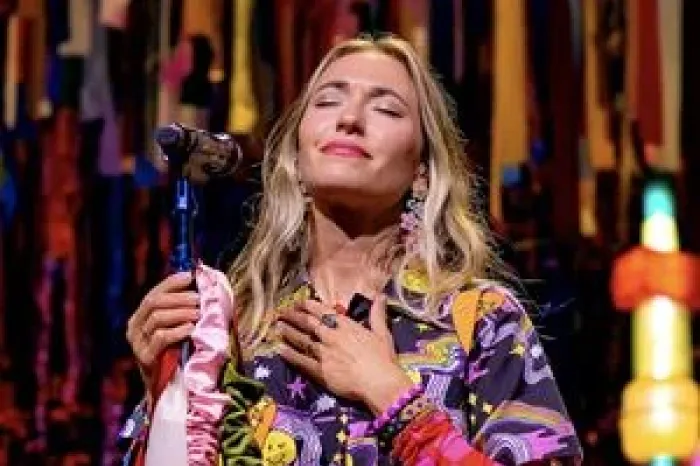
In addition to well-known figures, emerging Christian artists are also making an impact by sharing messages of love through their music. Jordy Searcy, an indie-folk singer-songwriter, recently performed at the Cathedral of the Ozarks in an event hosted by John Brown University’s SEA team. His concert featured songs like “Love & War in Your Twenties,” which explore love’s complexities with heartfelt lyrics and acoustic melodies. The intimate setting allowed Searcy to connect personally with his audience, offering not just entertainment but encouragement for young adults navigating relationships and life transitions.
Searcy’s performance was notable for its blend of personal storytelling and musical talent. He invited a senior student to join him on stage for a guitar solo, creating a memorable moment that highlighted community and shared creativity. His music often weaves together themes of love, faith, and resilience, reflecting the experiences of many young listeners who seek both spiritual grounding and authentic expression.
Christian songs about love serve multiple purposes: they uplift believers by reinforcing God’s unconditional love while also acknowledging the importance of human relationships. This dual focus helps bridge spiritual teachings with everyday life experiences. As these artists continue to produce music that honors faith while embracing emotional depth, they contribute to a vibrant tradition that inspires listeners across generations.
The contributions of both established and emerging Christian musicians demonstrate how faith-based love songs remain relevant and impactful today. Their ability to address complex feelings while pointing toward hope and divine grace makes their work vital in contemporary music culture. As audiences continue to seek meaningful content that speaks to both heart and soul, Christian artists stand ready to meet this need with songs that celebrate love in all its dimensions.