




















Johnny Cash, famously known as the Man in Black, remains a powerful voice in music for audiences across North America, especially among younger generations. His songs about hardship, love, and redemption continue to captivate listeners on streaming platforms like Spotify and Apple Music, as well as vinyl records cherished by Gen Z fans. Born in 1932 in Arkansas during the Great Depression, Cash’s early life was marked by hardship that deeply influenced his songwriting. Growing up picking cotton and enduring family tragedies, his music reflects raw honesty and the struggles of everyday people.
Cash’s career took off in the 1950s after signing with Sun Records in Memphis. His breakout hit “I Walk the Line” became a symbol of loyalty and resilience, selling over two million copies. Despite his fame, Cash battled addiction and personal challenges throughout his life. His signature black attire symbolized solidarity with the poor, prisoners, and marginalized communities. This empathy was clear when he performed live at prisons like Folsom State Prison in 1968, an event that revitalized his career and connected deeply with audiences who felt overlooked or oppressed.
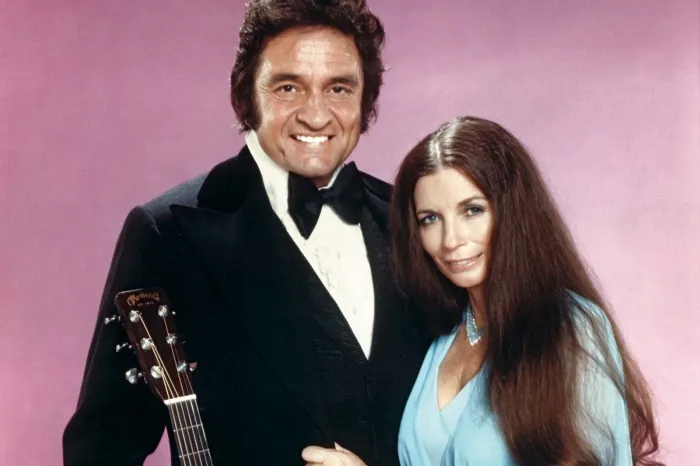
Songs such as “Folsom Prison Blues” and “A Boy Named Sue” tell stories of outlaws and outsiders, themes that resonate strongly today with listeners who appreciate authenticity in music. Cash’s blend of country, rock, and gospel influenced a wide range of artists across genres—from country stars to hip-hop musicians. His collaborations with wife June Carter brought hits like “Ring of Fire,” which explored the fiery complexities of love and loss.
The 1970s saw Cash at the forefront of the outlaw country movement alongside artists like Waylon Jennings and Willie Nelson. Their music challenged Nashville’s polished sound with a rawer, more rebellious style. Cash’s later work with producer Rick Rubin stripped down his sound to its emotional core, producing acclaimed albums such as the “American Recordings” series. His cover of Nine Inch Nails’ “Hurt” showed vulnerability that touched many fans worldwide.
Cash’s legacy also lives on through his family—his son John Carter Cash produces tribute albums while daughter Rosanne Cash continues to blend folk and rock influences. His story has inspired films like “Walk the Line,” which introduced his life and music to new audiences. Today, festivals in both the United States and Canada celebrate his impact, while social media platforms feature viral tributes mixing his voice with modern beats.
Beyond entertainment, Johnny Cash used his platform to advocate for social justice issues, including prison reform and Native American rights. His live prison performances highlighted inmates’ humanity during a time when few others spoke for them publicly. This aspect of his work makes him relevant to ongoing conversations about fairness and compassion in society.
For new listeners eager to explore Johnny Cash’s music, essential albums include “At Folsom Prison,” “Man in Black,” and the “American Recordings” series. These collections showcase his storytelling ability and deep connection to themes of struggle and redemption. As young people today seek authenticity in art, Johnny Cash’s timeless songs continue to provide comfort, challenge societal norms, and inspire resilience.