












Chinese music is one of the oldest and most diverse musical traditions in the world. It reflects the long history, rich culture, and unique philosophies of the Chinese people. From ancient rituals to contemporary pop, Chinese music has evolved through centuries, blending tradition with innovation. Its influence can be seen not only within China but also across Asia and the wider world.
The Ancient Origins of Chinese Music
Chinese music traces its roots back thousands of years. Archaeological discoveries, such as bone flutes from Jiahu Village in Henan, show that musical instruments existed in China as early as 9,000 years ago. Clay instruments called Xun, found in Hemudu and Banpo sites, are believed to be about 7,000 years old. These findings demonstrate that music was an important part of early Chinese society, used in rituals, celebrations, and daily life.
Mythology and Early Musical Systems
According to Chinese legend, Ling Lun created the first musical system at the request of the Yellow Emperor. He made bamboo pipes tuned to the sounds of birds, including the mythical phoenix. This led to the development of a twelve-tone musical system, which became the foundation of much of Chinese music theory. The earliest musical instruments were often linked to nature, and music itself was seen as a way to bring harmony between humans and the natural world.
Music in the Zhou Dynasty
During the Zhou dynasty (1122–257 BC), a formal system of court and ceremonial music called yayue was established. Yayue, meaning “elegant music,” was performed at important rituals and ceremonies. It combined music, dance, and poetry into a single art form and was considered essential for maintaining social order and harmony. Philosophers like Confucius believed that proper music could shape individual character and promote moral values, while others, like Mozi, questioned its usefulness.
Instruments and Musical Structure
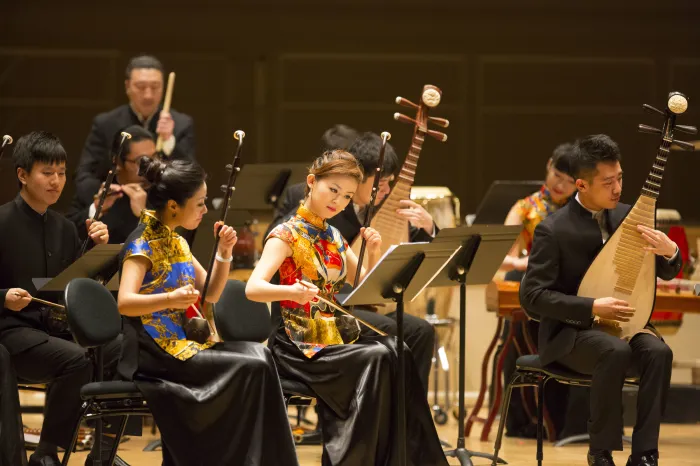
Traditional Chinese music features a wide range of instruments, many of which are unique to the region. These include stringed instruments like the guqin and erhu, wind instruments such as the dizi and sheng, and percussion instruments like the bianzhong (bronze bells). Each instrument has its own history and playing technique, contributing to the distinctive sounds of Chinese music.
The Pentatonic Scale
A key feature of Chinese music is its use of the pentatonic scale, which consists of five notes per octave. This scale creates melodies that are both simple and expressive. The pentatonic scale is used in both folk and classical music and is one reason why Chinese music often sounds different from Western music, which typically uses a seven-note scale.
Integration of Music and Dance
In ancient China, music and dance were closely linked. The word for music, “yue,” also referred to dance, and many performances combined the two. Music was not just entertainment; it was a vital part of rituals, ceremonies, and storytelling. The Six-dynasty Music Dance, for example, was a set of performances held in royal courts to mark important occasions.
The Role of Music in Society
Music has always played a significant role in Chinese society. In ancient times, it was used to communicate with the gods, celebrate victories, and mark the changing of the seasons. Emperors took folk songs seriously and often sent officials to collect them, believing they reflected the mood and well-being of the people. The Classic of Poetry, one of the oldest Chinese texts, contains many folk songs from 800 BC to 400 BC, offering a glimpse into the daily lives and emotions of ancient Chinese people.
Court and Folk Music
Chinese music can be divided into two main categories: court music and folk music. Court music was performed at the royal court and followed strict rules of composition and performance. It was seen as a symbol of good government and moral leadership. Folk music, on the other hand, was created by ordinary people and reflected local traditions, stories, and emotions. Each region of China developed its own musical styles, instruments, and songs.
Music and Social Status
Despite its importance, musicians in ancient China often had a lower social status than painters or poets. However, their work was central to the harmony and longevity of the state. Music was believed to influence people’s behavior and emotions, and rulers used it to promote unity and stability.
Evolution Through Dynasties
As Chinese civilization developed, so did its music. The Imperial Music Bureau, established during the Qin dynasty (221–207 BC), was expanded under Emperor Han Wudi. It was responsible for supervising court and military music and deciding which folk songs would be officially recognized. Over time, Chinese music absorbed influences from Central Asia and India, especially along the Silk Road. New instruments and styles were introduced, enriching the musical landscape.
Influence of Central Asian and Indian Music
During the Tang and Song dynasties, musical exchanges with Central Asia brought new rhythms, instruments, and melodies to China. The pipa, a type of lute, and the yangqin, a hammered dulcimer, are examples of instruments that originated outside China but became integral to Chinese music. These influences helped create a more diverse and dynamic musical culture.
Regional Diversity
China’s vast geography and many ethnic groups have produced a rich tapestry of regional music. From the folk songs of the Yangtze River to the traditional music of Tibet and Xinjiang, each area has its own styles, instruments, and traditions. This diversity is a hallmark of Chinese music and continues to inspire musicians today.
Chinese Opera: A Unique Art Form
One of the most distinctive forms of Chinese music is opera. Chinese opera combines singing, acting, martial arts, and elaborate costumes to tell stories from history, legend, and folklore. There are many regional styles, with Peking Opera being the most famous. Peking Opera uses a unique vocal style, symbolic gestures, and traditional instruments like the jinghu and suona. It remains popular both in China and among Chinese communities worldwide.
Other Traditional Forms
Besides opera, there are other traditional forms such as Taoist music, used in religious ceremonies, and yayue, which is still performed at some state events. These forms preserve ancient rituals and connect modern audiences with their cultural heritage.
The Modern Transformation of Chinese Music
In the twentieth century, Chinese music underwent significant changes. The influence of Western music increased, especially after the introduction of radio, records, and later, television. Chinese composers began to blend traditional melodies with Western harmonies, instruments, and forms. This fusion gave rise to new genres such as C-pop, Mandopop, Cantopop, and Hokkien pop. These genres are popular not only in mainland China but also in Taiwan, Hong Kong, and among overseas Chinese communities.
The Rise of Popular Music
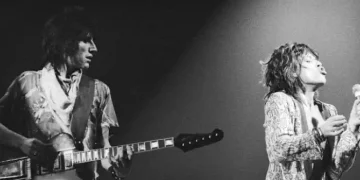
Modern Chinese pop music, or C-pop, draws on both traditional and Western influences. Artists use electric guitars, synthesizers, and other modern instruments, but often incorporate elements of Chinese melody and poetry. C-pop stars are now famous across Asia, and Chinese music festivals attract large audiences. The Midi Modern Music Festival, for example, showcases both rock and pop acts, highlighting the diversity of the contemporary Chinese music scene.
Chinese Music on the Global Stage
Today, Chinese music is part of the global music industry. Chinese orchestras perform around the world, and traditional instruments like the erhu and guzheng are featured in international collaborations. Many Western composers have been inspired by Chinese music, and Chinese musicians are increasingly blending their heritage with new styles and technologies. This global exchange is helping Chinese music reach new audiences and evolve in exciting ways.
Music Education and Preservation
Music education is an important part of Chinese culture. Many children learn to play traditional instruments from a young age, and music is taught in schools and universities. There are also efforts to preserve and promote traditional music, especially as modernization and globalization bring new challenges. Organizations and musicians are recording folk songs, reviving ancient instruments, and teaching new generations about their musical heritage.
Challenges and Opportunities
While Chinese music is thriving, it also faces challenges. Some traditional forms are at risk of disappearing as younger generations gravitate toward pop and Western styles. However, there is growing interest in preserving and revitalizing traditional music, both in China and abroad. Technology makes it easier to record, share, and learn about music, opening up new opportunities for cultural exchange and innovation.
Practical Implications and Modern Relevance
Understanding Chinese music offers valuable insights into Chinese history, society, and values. For musicians, studying traditional Chinese music can provide new techniques, scales, and approaches to composition. For listeners, it offers a window into a different way of experiencing sound and emotion. As China continues to play a major role in global affairs, its music is becoming an important bridge between cultures.
How to Explore Chinese Music
Anyone interested in Chinese music can start by listening to recordings of traditional instruments, folk songs, and opera. Many orchestras and ensembles perform Chinese music, both in China and internationally. Learning to play an instrument like the erhu or guzheng can be a rewarding way to connect with Chinese culture. Attending live performances, visiting music festivals, or exploring online resources are also great ways to discover the depth and diversity of Chinese music.
Conclusion
Chinese music is a living tradition that spans thousands of years. It has adapted to changing times while preserving its core values and unique sound. From ancient rituals to modern pop, Chinese music reflects the creativity, resilience, and diversity of the Chinese people. As it continues to evolve, it remains a vital part of both Chinese culture and the global musical landscape.
Frequently Asked Questions
What are the main characteristics of traditional Chinese music?
Traditional Chinese music often uses the pentatonic scale, features unique instruments like the guqin and erhu, and emphasizes melody and expression. It is closely linked to rituals, storytelling, and regional traditions.
How is Chinese music different from Western music?
Chinese music typically uses a five-note scale, while Western music uses a seven-note scale. Chinese music also features different instruments, rhythms, and approaches to harmony and composition.
What is Chinese opera?
Chinese opera is a form of musical theater that combines singing, acting, martial arts, and elaborate costumes. Peking Opera is the most famous style, but there are many regional variations.
How has Chinese music changed in modern times?
Modern Chinese music blends traditional elements with Western styles and instruments. Pop genres like C-pop and Mandopop are popular, and Chinese musicians are active on the global stage.
How can I learn more about Chinese music?
You can explore Chinese music by listening to recordings, attending concerts, learning an instrument, or studying its history and theory. Many resources are available online and in music schools.