





















Several renowned musicians have recently shared their thoughts on some of their most memorable songs, particularly those that explore themes of wishes, regrets, and personal reflection. These reflections offer a rare glimpse into the creative process and emotional weight behind songs that have touched millions of listeners worldwide.
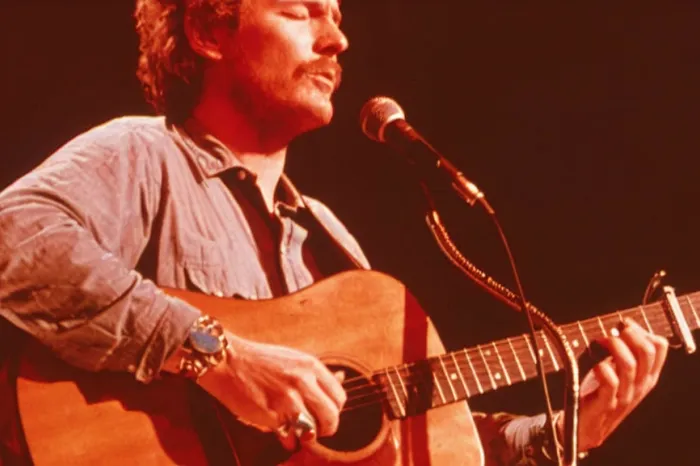
Gordon Lightfoot, the celebrated Canadian singer-songwriter, opened up about his complex feelings toward his 1966 hit “For Lovin’ Me.” This song was the breakthrough that launched his career, but it also carries a heavy burden for Lightfoot. Written while he was married, the lyrics describe a man who moves from woman to woman without remorse—a stark contrast to Lightfoot’s real-life commitments at the time. Over the years, Lightfoot came to see the song as deeply cynical and misogynistic, eventually deciding to stop performing it altogether. Despite its success and fan demand, he chose personal integrity over fame by removing the song from his setlists, acknowledging that it no longer reflected who he was.
Meanwhile, Paul McCartney has spoken about a different kind of musical legacy involving Prince, another legendary artist. McCartney revealed that Prince had recorded a cover of The Beatles’ classic “The Long and Winding Road” during rehearsal sessions. Though this version has never been officially released, McCartney expressed hope that Prince’s estate might share the recording with the public someday. He praised Prince’s exceptional guitar skills and musical style, emphasizing the late artist’s unique talent and influence. McCartney’s reflections also touched on his wish that he had known Prince better while he was alive, highlighting the profound impact Prince left on music despite his untimely death.
These stories underline how songs about wishes—whether wishing for love, change, or redemption—carry more than just melodies; they hold personal histories and evolving meanings for their creators. For Lightfoot, “For Lovin’ Me” became a symbol of youthful mistakes and moral growth. For McCartney, hearing Prince’s take on his work is a reminder of music’s power to connect artists across generations.
The theme of regret appears strongly in Lightfoot’s story. His willingness to confront the problematic aspects of his early hit shows an artist grappling with the consequences of his words. The choice to stop performing such a popular song speaks volumes about how musicians sometimes prioritize authenticity over commercial success. On the other hand, McCartney’s story reflects admiration and respect for a fellow musician’s artistry and hints at the treasure trove of unreleased material left behind by Prince.
Together, these reflections highlight how songs about wishes are often intertwined with complex emotions—hope, remorse, admiration—that evolve over time. They remind us that behind every famous tune lies an artist’s personal journey filled with moments of joy and regret alike. These candid admissions from Lightfoot and McCartney enrich our understanding of their music and encourage listeners to consider the deeper stories behind beloved songs.