




















Mathematics and music have long been seen as two distinct fields, yet recent creative efforts have beautifully merged these disciplines by transforming mathematical concepts into musical compositions. One fascinating example is the musical interpretation of the mathematical constant pi, celebrated annually on March 14th as Pi Day. Pi, known as the ratio of a circle’s circumference to its diameter, is an irrational number with an infinite sequence of digits. It appears not only in geometry but also in various natural phenomena such as the spirals of DNA and the bends of rivers.
In recent years, interest has grown around representing pi through music, offering a unique way to appreciate and remember this enigmatic number. Devin Powell, a science writer and multimedia creator, developed a method to map the digits of pi onto musical notes. Inspired by his experience with memory competitions and childhood choir singing, Powell assigned each digit a corresponding note on a musical scale. This approach turned the abstract sequence of numbers into a melodic composition he named “Lullapi.”
Powell’s initial goal was practical: to aid memorization of pi’s digits by creating an auditory association. However, as he played these notes on the piano, he discovered that the sequence formed a surprisingly pleasant tune reminiscent of folk songs or lullabies. The melody not only helped him retain more digits but also resonated emotionally, leading him to share it widely. One listener even used “Lullapi” as a lullaby for their child, highlighting how math-inspired music can cross over into everyday life.
The creative process behind “Lullapi” involved experimenting with major and minor keys and arranging different sections of pi’s digits to explore musical patterns that might emerge from what many consider a random string of numbers. Powell emphasizes that any perceived patterns are cognitive associations rather than inherent mathematical properties. Still, this blending of logic and art has sparked curiosity among musicians and mathematicians alike.
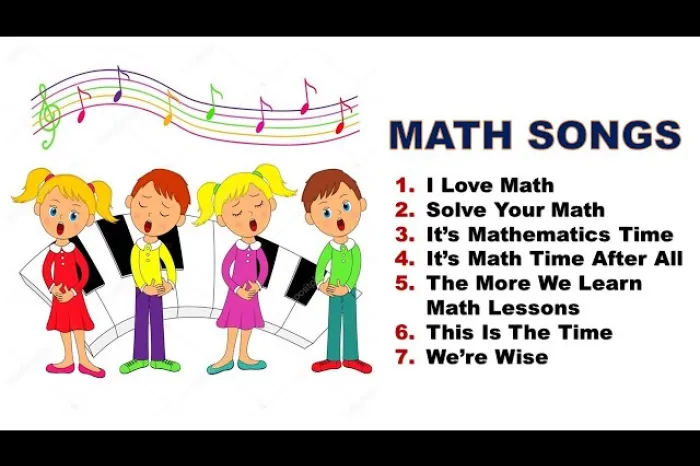
Beyond Powell’s work, songs about mathematics have gained attention as educational tools and artistic expressions. They offer listeners new ways to engage with complex ideas by translating numbers and formulas into rhythms and melodies. This innovative approach challenges traditional views of math as purely analytical, revealing its potential for creativity and emotional connection.
The popularity of such projects has been fueled by advances in technology, allowing composers to experiment with digital instruments and share their creations globally through platforms like Spotify and Apple Music. As more artists explore musical interpretations of math concepts, audiences are invited to experience familiar numbers in fresh, inspiring ways.
This intersection of music and mathematics not only celebrates human ingenuity but also encourages lifelong learning through enjoyment. Whether it’s a lullaby based on pi or other mathematically inspired tunes, these compositions demonstrate how abstract ideas can find harmony in sound. They remind us that both math and music are universal languages capable of bringing people together across cultures and disciplines.