

















Punk, Poetry, and Pretending You Don’t Care (But Actually Caring A Lot)
Think of punk rockers and you might imagine sneering vocals, torn jeans, and a crowd that values a guitar chord more than a gentle caress. But here’s a plot twist worthy of a dramatic stage-dive: punk songs about love are absolutely everywhere. And not in the hearts-and-flowers kind of way—punk takes romance, shakes it around like a kid with their first distortion pedal, and spits it out with all the sardonic wit, honesty, and attitude you’d expect.
You don’t have to look far to find examples. Take Patti Smith’s legendary debut “Horses”: songs like “Gloria” and “Redondo Beach” show how love in punk can be simultaneously reckless, poetic, and utterly defiant. Smith shrugs off convention, declaring love with the kind of fervor normally reserved for declaring war on bad haircuts. On the flip side, pop-punkers CF98 infuse their tracks with millennial nostalgia, skate-punk energy, and, yes, unconditional love—for their fans, friends, and each other. The Polish group’s album “Stupid Punk” is both a heartfelt embrace and a playful middle finger to everything traditionally sentimental, showing that being yourself is the real love story.
The Riotous Heartbeat Underneath the Mohawk
What is it about punk that makes love so…well, punk? It’s partly a reaction against the syrupy romance that dominates other genres. If classic rock serenades you with roses, punk hands you a wilted dandelion and asks if you want to go egg someone’s house. And yet, punk’s love songs aren’t “anti-love”—they’re anti-falsehood. Patti Smith writes about family, grief, and fierce loyalty with lines that could get you kicked out of poetry class for being too raw. The love described isn’t sanitized for mass appeal; it’s messy, real, and sometimes borders on existential crisis.
Take the anecdote from Smith’s “Redondo Beach,” where a quarrel with her sister sparks a song about loss, guilt, and affection, set to an unexpected reggae beat. Or CF98’s “1993,” which gleefully mocks their own nostalgia while lovingly paying homage to the pop-punk scene. In punk, songs about love can be about your mom, your best friend, your bandmates—or just the feeling of not fitting in anywhere but among other misfits. It’s the sonic equivalent of a group hug in a mosh pit.
Of course, the punk scene has always been as much about community as the music itself. Whether in the grimy bowels of CBGB or at a high-energy CF98 gig in Krakow, the love shared among audience and band isn’t a cheesy declaration—it’s a sweaty, cathartic bond forged by screaming the same chorus. Punk reminds us that loving fiercely often means standing shoulder to shoulder, shouting together against the world (or at least at the stage).
Love Stories With Broken Strings and Unlikely Heroes
It takes a certain amount of guts to turn a love song into a punk anthem. The genre’s DIY ethos and devil-may-care attitude means anyone can chime in—so long as what they say is honest, witty, and loud. Patti Smith’s approach is direct: “I just wanted people to hear us as we were, not some overly enhanced or sanitized version.” Her romantic narratives are heartfelt, never artificial, making even a love song sound like a rallying cry.
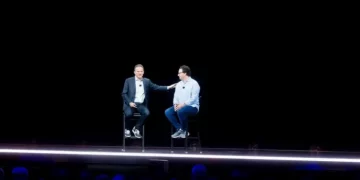
David Byrne, during a recent Denver concert, offered a different kind of punk act of love. Byrne’s set was described as a fusion of art, activism, and music—lifting spirits using empathy and curiosity. The performance transformed personal stories of love and joy into communal, almost spiritual experiences. Punk love isn’t always about two people; sometimes it’s about collective humanity, the kind of love that stands up in the face of adversity, organizes benefit shows, and occasionally glues back the odd broken guitar.
Meanwhile, CF98’s journey—blending skate-punk roots with newer pop-punk sounds and using their music to lift people up—embodies punk love of another flavor. Their lyrics are about supporting one another, embracing unconditional friendships, and laughing at the very notion that caring deeply is uncool. You want drama? There’s plenty! But instead of soap opera heartbreaks, you get tales of friendships, growing up, missing old friends, and finding a place in the world where punk beats are the background to your emotional rollercoaster.
Why Punk’s Love Songs Still Matter (Even If They Refuse to Say ‘I Love You’ Outright)
If you’ve ever felt too awkward for a ballad but too sincere for sarcasm, punk’s approach to love songs is the ultimate remedy. These tracks turn vulnerability into bravado, making “I need you” sound like “Let’s start a revolution together.” Whether it’s Patti Smith wrestling with joy and grief on “Elegie,” CF98 shouting out every millennial who came of age with an MP3 player and dreams of endless summers, or David Byrne conducting spontaneous acts of empathy, the message is clear: love’s not dead—it’s just a bit noisy.
The beauty of punk love songs is in their refusal to fit the mold. They can talk about family, kinship, and community with as much force as a direct romantic address. They can be playful (“Stupid Punk”) or poetic (“Kimberly”), rebellious (“Gloria”) or oddly wholesome (“1993”). Punk teaches us that being yourself—fully, unashamedly, even if everyone else thinks it’s strange—is the bravest love letter of all.
So next time someone argues that punk is raw aggression with no room for tenderness, point them to a punk love song. It’s all the proof you need that romance can survive in a mosh pit, thrive on three chords, and laugh in the face of cliché. You bring the energy, punk will bring the attitude, and together, you might just rewrite the rules of love—band t-shirts optional, but highly recommended.