





















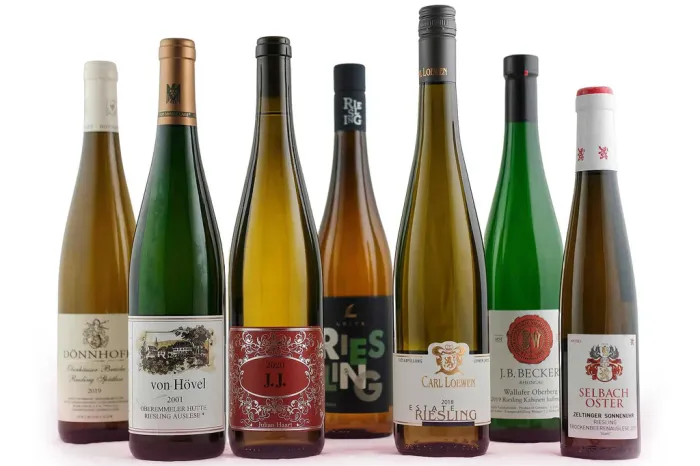
Off-Dry White Wine: Sweetness with a Side of Sass
If you’ve ever stared at a wine label, squinting like you’re defusing a bomb, trying to decipher whether that bottle of Riesling is dry, sweet, or somewhere in between, congratulations! You’re a card-carrying member of the Off-Dry White Wine Confusion Society. But fear not: today we uncork the mystery of off-dry white wine—a style that’s as misunderstood as the time you left your phone in the fridge and blamed it on your cat.
It’s All About Residual Sugar—But Wait, There’s More!
Let’s kick off with a wine geek fact: whether a wine is dry, off-dry, or sweet mostly depends on its residual sugar—the grape sugar that didn’t get turned into alcohol during fermentation. Dry whites usually contain less than 10 g/L (just a smidge more sugar than your tears after learning about your student loans). Off-dry wines, though, cozy up to around 10–30 g/L. That little extra dollop of sugar gives off-dry wines a touch of sweetness, but they’re far from dessert territory. They’re like the friend who brings cookies to a kale salad party—not unwelcome, but definitely changing the vibe.
But here’s the plot twist: sweetness isn’t just about numbers on a spreadsheet. Acidity, alcohol content, and even good ol’ brain trickery play starring roles. Some wines contain so much acidity (looking at you, German Riesling) that the sugar gets bullied into submission—meaning a wine may technically be off-dry, but taste refreshingly crisp. It’s a bit like eating a lemon meringue pie and only tasting the lemon. Confused? Excellent. That’s called being a wine enthusiast.
Defining “Off-Dry”: Nerdy Numbers vs. Taste Buds
Official definitions vary because, let’s face it, wine laws are more complicated than assembling IKEA furniture. The EU says dry is up to 9 g/L, while U.S. professionals draw the line at 1 g/L. Anything between those marks falls into the off-dry category—a semi-sweet state of being, like toast that gets butter but not jam. German and Austrian wineries, the valedictorians of precision, slap helpful terms like “halbtrocken” or “feinherb” on their labels, signaling the wine isn’t trying to sneak extra sweetness past your palate. But in many parts of the world, labels leave you guessing harder than a game of charades in the dark.
Off-Dry’s Personality: Not Too Sweet, Not Too Serious
So what actually is off-dry white wine? Imagine biting into a ripe peach. It’s juicy, subtly sweet, refreshing—and that sensation, my friends, nails the off-dry vibe. Off-dry whites start out gentle and smooth, often plumper and rounder than bone-dry wines. They might flirt with fruitiness, tango with floral notes, or give you a subtle kiss of honey—all while keeping their cool with a backbone of acidity. The result? Wines that are succulent, approachable, and versatile. They’re the people-pleasers of the wine world: sweet enough to charm, but with enough zip to hold their own at any dinner table.
Classic examples include German Rieslings (bulleted for popularity), some styles of Gewürztraminer, and Pinot Gris from Alsace. In tasting terms, think stone fruit, citrus, white flowers, and sometimes a hint of spice—all balanced like a gymnast on a beam.
The Food Pairing Magic—Off-Dry’s Superpower
Here’s where off-dry white wines go from tasty to heroic: food pairing. While dry whites are excellent with seafood or light salads (and you’ll find plenty of advice for that in any wine guide), off-dry whites bring a special knack for matching complex, challenging flavors.
- Spicy Dishes: Got a love for Szechuan, Thai, Indian curries, or anything that makes your mouth sweat? Off-dry whites are your culinary firefighters. The sugar cools the burn, while the acidity keeps everything lively. Think Kabinett Rieslings or off-dry Gewürztraminer alongside fiery takeout.
- Umami and Rich Foods: French onion soup, ramen, short rib—all those umami-laden goodies get a boost from off-dry wines. The sweetness and acidity team up to slice through savory, rich flavors and add a playful counterpoint. A mature Auslese with steak? Oddly, it works!
- Cheese and Charcuterie: Blue cheese, brie, and salty cured meats would all like to formally thank off-dry whites. Their sweetness acts as a stand-in for honey or fruit preserves, balancing intense, salty flavors with a little lift.
- Dishes with Fruit: Duck à l’orange, pork with apples, salads with strawberries—if the food itself plays with fruit or sweetness, off-dry whites join the party, echoing and elevating those flavors.
- Seafood and Classic Pairings: For delicate fish with richer sauces, off-dry styles, especially lighter Kabinett or Spätlese, offer softness without being cloying, making them excellent matches for buttery lobster or trout meunière.
- Desserts (But Not Just for Dessert!): Off-dry wines don’t have to wait until the end of the meal. But if you pair them with less-sweet desserts like shortbread cookies or fruit and whipped cream, you’ll discover the wine’s sugar actually tastes less sweet when matched with sugar in food. Double the bliss, none of the sugar crash.
Why Do We Misjudge Sweetness (And Should You Trust Your Mouth)?
Let’s get nerdy for a second: sweetness perception is a team sport. High alcohol, glycerol (a fermentation byproduct), fruitiness, and acidity can all trick your tastebuds. That’s why a wine with 2% residual sugar might taste dry if it’s rocketing in acidity (and why a full-bodied, fruity wine feels sweeter, even if the numbers say otherwise). Most casual wine drinkers can’t even detect sugar levels below 1.5%. Trained tasters can guesstimate the levels like a sugar-sensing superhero, but even pros admit it’s part science, part sorcery.
Wine labels sometimes help (watch for terms like “off-dry,” “halbtrocken,” or “feinherb”), but the best move? Taste and trust your own palate. If you like a whisper of sweetness—especially with spicy, salty, or complex flavors—embrace the off-dry.
Off-Dry White Wine: The Gateway to Wine Happiness
If bone-dry whites feel too austere and sweet wines are too much like liquid dessert, off-dry white wine is your happy medium. It’s adaptable, crowd-pleasing, and endlessly versatile. And unlike your last attempt at assembling flat-pack furniture, it’s really hard to get wrong.
So next time you hear “off-dry,” don’t think of it as a wine that couldn’t make up its mind. Think of it as the clever middle ground—just enough sweetness to charm, plenty of acidity to refresh, and always ready to crash the party (without bringing another kale salad).
Raise a glass to off-dry white wine: where sweetness wears a disguise, and everyone gets invited to the feast.