




















Major generation agencies are dealing with sizable setbacks in rolling out their most up-to-date products, as ongoing shortages in crucial additives and release automobiles cause delays throughout the enterprise. Amazon and Apple, of the world’s maximum influential agencies, are amongst the ones pressured to redesign schedules and reconsider techniques in reaction to continual bottlenecks.
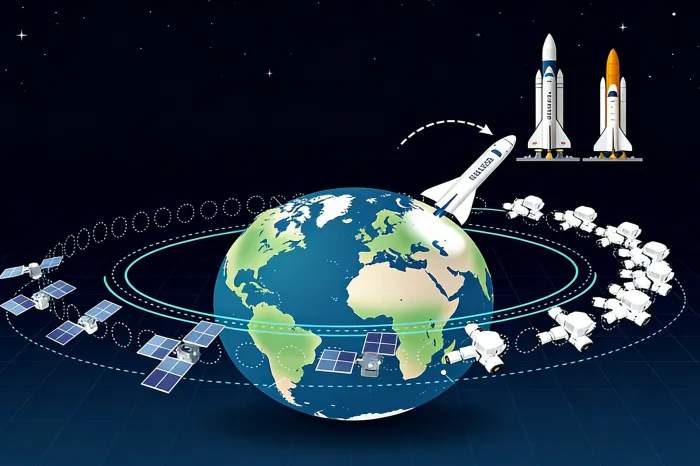
Amazon, which targets to construct a large satellite tv for pc network, these days requested the Federal Communications Commission for a -yr extension to release 1/2 of of its Project Kuiper satellites. The corporation referred to a international scarcity of to be had rockets as the principle motive it might now no longer meet its authentic 2026 milestone. The area enterprise is suffering to hold tempo with demand, or even Amazon’s economic clout has verified no healthy for the shortage of release slots and unfinished rockets. To upload an additional twist to the saga, Amazon has grew to become to direct competitor SpaceX for added launches, proving that even in cutthroat tech rivalry, every so often your best enemy is likewise your maximum dependable neighbor.
The scenario isn’t always a whole lot brighter towards Earth, in which Apple has taken the uncommon step of dividing the discharge of its upcoming iPhone 18 series. Due to a scarcity of important additives—specifically reminiscence chips—the same old model of the iPhone 18 will now no longer hit cabinets till the primary 1/2 of of 2027. Instead, Apple will prioritize the release of its high-margin top rate and foldable fashions later this yr. Apple’s choice is each a reaction to deliver chain chaos and a smart advertising move, retaining patron hobby alive via more than one huge reveals—due to the fact what higher manner to hold enthusiasts on their feet than with the aid of using making them watch for 1/2 of the lineup?
The crunch in manufacturing potential is affecting extra than simply the discharge dates. Amazon’s $10 billion dedication to Project Kuiper has visible satellites piling up at its Kirkland production site, equipped for liftoff however held returned with the aid of using the restricted wide variety of rockets. Meanwhile, Apple is straining to stable sufficient elements for its pro-stage phones, spending more time in provider conferences in hopes that destiny iPhone launches contain fewer cliffhangers—and possibly much less heartburn for executives.
Industry professionals say those deliver troubles are symptomatic of broader trends. Satellite operators, cellphone makers, and providers are all handling lengthy lead instances for specialised chips, sun arrays, and communications equipment. The ripple outcomes stretch throughout patron generation, area broadband, or even cloud computing. Companies are scrambling to respond—Amazon with the aid of using stitching extra release contracts, Apple with the aid of using amazing product rollouts, and all people with the aid of using keeping their breath that providers can seize up earlier than clients lose their staying power or hobby.
Regulators also are weighing their responses. Amazon’s extension request places the FCC in a hard spot: Should it offer leeway for a billion-greenback wager on international net or persist with strict recommendations to hold competition—and orbital actual estate—fair? If approved, the extension would possibly set a precedent making release constraints an comprehensible excuse for destiny delays. On Apple’s side, opinions of its staggered release may want to affect how different phone giants control their product cycles amid unpredictable deliver chains.
Despite cutting-edge troubles, each Amazon and Apple stay decided to look their tasks through. Amazon maintains hiring for Project Kuiper, increasing floor stations, and promising high-velocity broadband. Apple is having a bet that not on time gratification will sooner or later cause clients lining up, despite the fact that it method a few will want to set calendar reminders for 2027. While deliver chain woes have stretched endurance and examined plans, the race to innovate maintains, simply at a tempo dictated through rocket engines, reminiscence chips—and perhaps a hint of cosmic irony.