
















Hip-hop is much more than music; it is a powerful culture that shapes identities and communities around the world. This culture blends music, dance, art, and social activism, creating a unique space for expression and empowerment. Two stories from 2026 highlight how hip-hop continues to influence both personal success and community healing.
Curtis Jackson, famously known as 50 Cent, represents the enduring hustle and resilience at the heart of hip-hop culture. Emerging from Queens, New York, his rise from surviving a violent shooting to becoming a global music icon and business mogul illustrates hip-hop’s potential to transform lives. His 2003 album “Get Rich or Die Tryin'” remains influential, with tracks like “In Da Club” still dominating playlists among young adults in North America. For many fans aged 18 to 29, 50 Cent is not just an artist but a symbol of grit, longevity, and the ability to turn struggle into success.
Beyond music, 50 Cent has expanded hip-hop’s reach into entrepreneurship with ventures like G-Unit Clothing and his Vitamin Water deal that earned him over $100 million. His influence extends into television production with shows like “Power,” which resonate strongly with Black audiences and reflect authentic stories from hip-hop culture. This multidimensional approach inspires young fans who see in him a blueprint for building brands while staying true to their roots.
On a different but equally important front, Roberto Rivera uses hip-hop as a tool for healing and education. Growing up in diverse neighborhoods in the 1980s, Rivera found freedom and expression through breakdancing and rap. Now an educator and advocate for social justice, he leads the Alliance for the 7th Generation, developing programs that teach young people self-awareness, emotional regulation, and community responsibility through hip-hop’s elements like emceeing, graffiti, and dance.
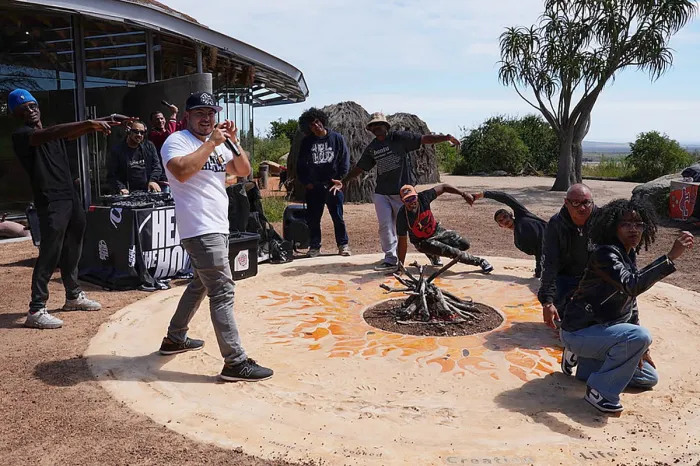
Rivera’s work highlights hip-hop’s power to disrupt traditional hierarchies by promoting collaboration and collective growth rather than competition. He helps students discover their unique talents—whether visual art or rap—and encourages them to use these skills to uplift their communities. His global efforts include building community centers in places like Cape Town, South Africa, where creativity and well-being are nurtured.
His book, “Hip-Hop as Healing,” gathers stories from artists and educators who have used hip-hop to overcome trauma and inspire change. Rivera’s approach combines cultural pride with social-emotional learning to empower youth to dream bigger and impact society positively. His message of “going from dope dealer to hope dealer” captures how hip-hop can transform lives beyond entertainment.
Together, these stories show that hip-hop is indeed a vibrant culture that continues to evolve. It shapes personal identities while fostering community development. Whether through 50 Cent’s blueprint of hustle or Rivera’s healing programs, hip-hop remains a vital force that educates, motivates, and connects generations across North America and beyond.