



















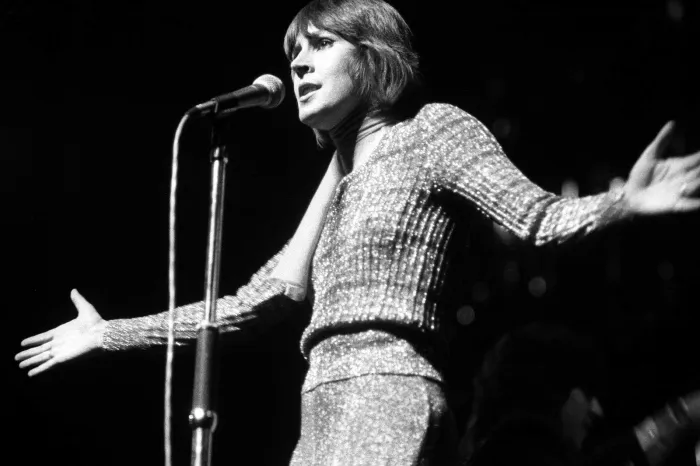
In May 1972, Australian singer Helen Reddy released “I Am Woman,” a soft rock song that quickly became a defining anthem for female empowerment. The track soared to the top of the Billboard Hot 100 charts, securing the No. 1 position and earning Gold certification after selling over a million copies. Its memorable refrain, “I am woman, hear me roar,” has since become a powerful symbol of strength and resilience, resonating with generations of listeners.
The song was co-written by Reddy and Ray Burton and originally appeared on her debut album “I Don’t Know How to Love Him” in 1971. However, it was not until the following year that “I Am Woman” gained widespread attention, partly due to its feature in the closing credits of the 1972 film “Stand Up and Be Counted.” The success of the movie helped propel the song’s release as a single by Capitol Records, where it found a vast audience eager for an anthem that spoke directly to women’s experiences.
Helen Reddy crafted “I Am Woman” out of frustration with the lack of songs reflecting real women’s struggles and strengths. In interviews, she mentioned her inspiration came from observing strong women in her family who had endured hardships such as the Great Depression, world wars, and domestic abuse. Despite not considering herself a songwriter initially, Reddy felt compelled to express the growing political movement for women’s rights through music.
The impact of “I Am Woman” went beyond commercial success; it became an emblem of the women’s liberation movement in the 1970s. The song won Reddy a Grammy Award for Best Female Pop Vocal Performance. Her acceptance speech became notable for thanking God as “she,” underscoring the song’s feminist message. Over time, “I Am Woman” has been embraced not only as a feminist anthem but also as a broader song about personal empowerment and overcoming adversity.
Even decades after its release, “I Am Woman” continues to inspire. Following Helen Reddy’s passing in 2020, the song re-entered the Billboard charts at No. 2, illustrating its lasting relevance. The track remains a testament to how music can serve as a vehicle for social change and personal strength.
Classic empowerment songs like “I Am Woman” have paved the way for many artists who use their music to uplift listeners and advocate for equality. These songs resonate because they capture universal themes of courage, identity, and resilience. As society continues to evolve, such anthems remain essential reminders of progress and hope.
In today’s musical landscape, songs about empowerment carry forward the legacy established by pioneers like Helen Reddy. They continue to give voice to those seeking strength in difficult times while celebrating individuality and collective progress.