














Music education is gaining renewed attention as primary school students engage in vibrant group activities that emphasize traditional and contemporary songs about teaching. In Hull, about 80 children from various primary schools participated in a special recording session for the BBC’s Songs of Praise at Hull Minster. These young singers, part of the Choral Hull project run by the minster and the city’s music service, performed nine hymns that will be featured in episodes throughout the year. The repertoire included works by the renowned local hymnwriter John Bacchus Dykes, such as “Eternal Father, Strong to Save,” which is considered a cultural anthem for the city. Mark Keith, director of music at Hull Minster, highlighted the importance of teaching these hymns to children as a way to connect them with their cultural heritage and revive singing traditions that had been fading.
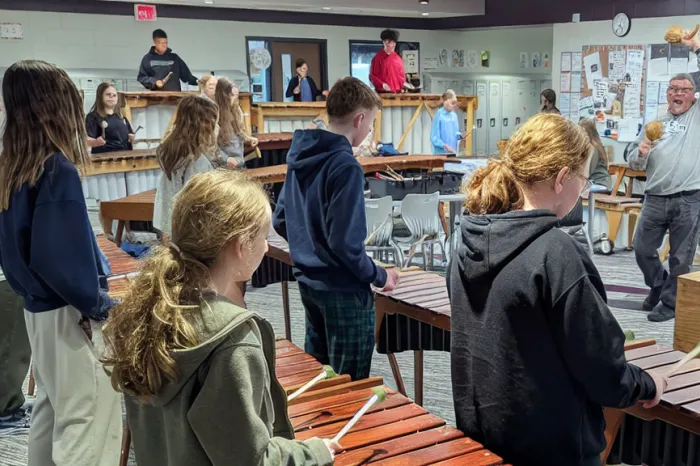
Meanwhile, in Coralville, Iowa, East Ridge Elementary School has become a hub for marimba music under the guidance of music instructor Paul Corbiere. Each weekday after school, fourth and fifth graders gather to play marimbas, producing warm and resonant tones that fill the hallways. Corbiere leads multiple student bands, fostering a lively environment where children learn rhythm and teamwork through hands-on experience with these unique percussion instruments. The marimba sessions not only teach musical skills but also encourage enthusiasm for group performance and creative expression.
Both programs address concerns raised by recent research indicating a decline in student participation in music and arts subjects across UK schools and disparities in access to quality music education. The Choral Hull project was specifically created to “rescue singing in primary schools” by offering weekly sessions across ten core schools in the city. Its goal is to stimulate high-quality singing among children and ensure they receive opportunities comparable to those available elsewhere.
These initiatives demonstrate how incorporating songs about teaching and culturally significant music into school programs can inspire young learners. The Hull project’s focus on traditional hymns connects students with historical musical forms, while Coralville’s marimba ensembles introduce children to rhythm and collaboration in an engaging setting. Both approaches underscore the value of hands-on music education in developing students’ skills and fostering a lifelong appreciation for music.
Educators involved in these programs emphasize that children genuinely enjoy singing and playing music when given access to well-structured opportunities. Mark Keith noted that students “absolutely love it” when performing high-quality music, which encourages their continued involvement and growth. Similarly, Paul Corbiere’s marimba groups thrive because of the joyful atmosphere created around learning and performing together.
As schools strive to enrich their curricula with meaningful arts education, these examples from Hull and Coralville serve as models for how dedicated projects can successfully engage young people in music. They show that teaching songs about teaching—whether through sacred hymns or instrumental ensembles—plays a crucial role in preserving cultural heritage while nurturing creativity and community among students.