


















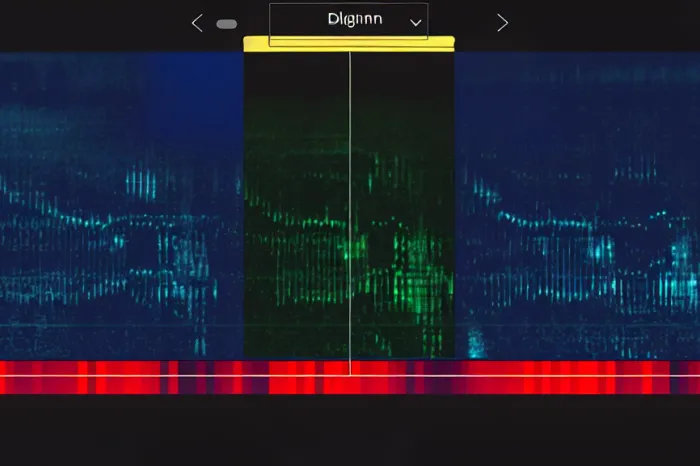
For more than seven decades, a fragile audio disc remained forgotten in an archive until researchers at the Woods Hole Oceanographic Institution (WHOI) in Massachusetts uncovered its remarkable content. The disc contains what is believed to be the earliest known recording of a whale song, captured near Bermuda on March 7, 1949. This historic recording was made aboard WHOI’s first research vessel, the Atlantis, during experiments testing sonar systems and underwater acoustics. At the time, scientists were unaware of the true nature of the mysterious underwater sounds they were hearing.
The recording features calls from a humpback whale and is notable for its clarity and low background noise, reflecting how much quieter the ocean was in the late 1940s compared to today. This discovery provides valuable insight into how human activities like increased shipping have affected marine life communication over time. The audograph disc, which preserves sound by etching it onto thin plastic rather than magnetic tape, survived well enough to be digitized recently, allowing scientists to study these early whale sounds in detail.
In addition to this 1949 recording, WHOI scientists William Schevill and Barbara Lawrence made early recordings of beluga whales in Canada’s Saguenay River using rudimentary equipment. However, most recordings from that era are poorly preserved or difficult to access. It was not until the late 1960s that widespread recognition of baleen whale songs emerged, largely due to the work of researcher Roger Payne.
Today, WHOI continues to advance marine acoustic research with modern technology such as passive acoustic buoys and autonomous hydrophones. Their ongoing Robots4Whales program uses ocean robots equipped with digital monitoring instruments to detect whales in real time and analyze their calls by tracking sound frequency changes. These technologies help scientists monitor whale populations, understand how human noise pollution impacts ocean life, and guide conservation efforts.
WHOI marine bio-acoustician Laela Sayigh emphasized the importance of this early recording as a baseline for studying how whale communication has evolved alongside increasing ocean noise caused by human activity. Peter Tyack, another WHOI expert, highlighted that listening to underwater sounds is crucial for protecting vulnerable whale species since many are difficult to spot visually. By understanding how industrial and shipping noises alter the ocean soundscape, researchers can better assess threats to marine animals’ navigation and survival.
The audograph collection at WHOI recently received funding from the National Recording Preservation Foundation to support further digitization and public accessibility. Alongside Ocean Alliance’s archive of thousands of whale recordings dating from the 1950s to 1990s, this historic audio offers a unique window into past marine environments and helps inform future efforts to preserve ocean ecosystems. These early songs about the ocean continue to resonate as both scientific treasures and reminders of the need to protect our planet’s marine life.