


















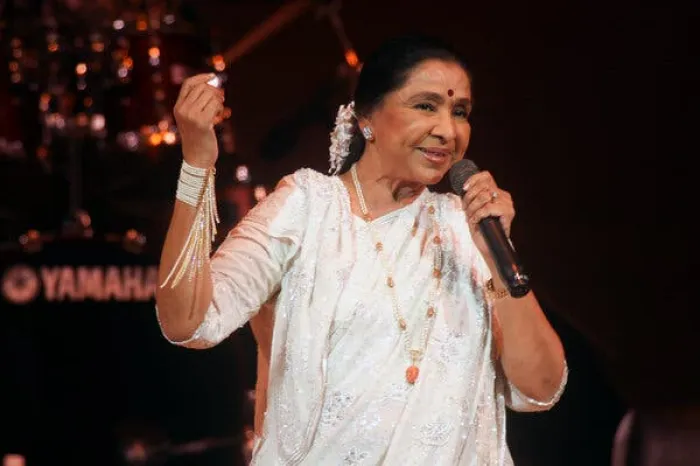
Asha Bhosle, one of India’s most beloved playback singers, is remembered not only for her extraordinary solo career but also for her memorable collaborations with her sister, Lata Mangeshkar. Together, they created some of the most cherished songs about sisters and sibling bonds in Indian music. Their partnership, though rare, showcased two of the most powerful voices in the industry blending in harmony.
The first duet recorded by Asha and Lata dates back to the early 1950s with the song “Ye Ruki Ruki Hawayen” from the film Daman (1951). This track marked the beginning of their musical journey together, even though many fans believed their first duet was from a later film. Over time, the sisters sang together nearly 80 times, enchanting audiences with their distinct styles united in melody. Renowned composers like Shankar-Jaikishan and RD Burman frequently brought them together to create timeless classics.
One of their well-known duets is “Humrae Gaon Koi Ayega” from the 1962 film Professor, a song that remains a favorite among fans of Indian cinema music. Another memorable collaboration includes tracks such as “Mann Kyun Behka Ri Behka Aadhi Raat Ko” from Utsav (1985), which highlighted their vocal chemistry even decades after their first recording.
Asha Bhosle’s musical journey was also deeply influenced by her relationship with her siblings. Born to the legendary classical vocalist Deenanath Mangeshkar, she shared a rich musical heritage with Lata and other siblings like Usha Mangeshkar. Despite living under Lata’s shadow early in her career, Asha carved out a legacy of her own by embracing versatility and experimentation across genres and languages.
Her passing at age 92 marks the end of an era but also invites reflection on her immense contribution to Indian music. With over 12,000 songs recorded in more than 20 languages, Asha’s voice touched countless lives and continues to inspire new generations. Her resilience and passion transformed her from just being known as Lata Mangeshkar’s sister to becoming a legendary artist celebrated worldwide.
The sisters’ story also includes poignant moments such as the iconic patriotic song “Ae Mere Watan Ke Logon,” which was originally intended as a duet but ultimately became a solo performance by Lata Mangeshkar. This anecdote illustrates the unique paths both sisters took while remaining connected through their shared love for music.
As we celebrate songs about sisters in Indian music, the legacy of Asha Bhosle and Lata Mangeshkar serves as a testament to family ties expressed through art. Their collaborations remain treasured reminders of how sibling bonds can create magic not only in life but also through timeless melodies.