
















Music therapy is increasingly recognized as a powerful tool for emotional and physical healing, especially for patients recovering from serious health challenges. In hospitals and rehabilitation centers around the world, singing and music are used not only to improve mood but also to aid recovery from conditions such as stroke and brain injuries.
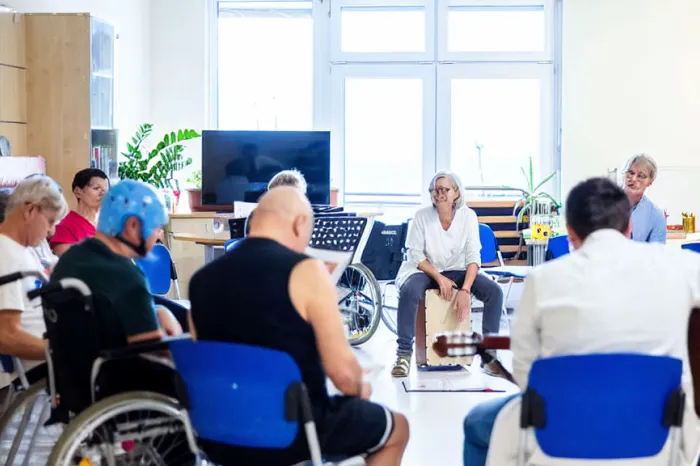
At Semmelweis University’s Department of Rehabilitation, group music therapy sessions have become a vital part of treatment for patients suffering from aphasia following strokes or severe brain trauma. Led by music therapists Zsófia Fekete and Zsolt Cselenák, these weekly sessions encourage patients to engage in singing, humming, breathing exercises, and movement synchronized with music. The therapy focuses on helping participants regain speech and communication skills by stimulating both hemispheres of the brain through melodic intonation and rhythm.
The program’s success is reflected in the high participation rates and positive feedback from patients. Many find that music helps them express feelings that words alone cannot convey. The sessions foster a sense of community and joy, easing tension and promoting emotional well-being. Patients often select favorite songs from a carefully compiled songbook that includes folk tunes and popular hits, allowing them to connect personally with the therapy.
Music therapy’s roots date back centuries, with early observations noting that some individuals who lost speech abilities after brain injury could still sing clearly. Modern science explains this phenomenon by showing that singing activates more symmetrical brain areas than speech alone. This insight has helped therapists develop techniques that use music to support speech recovery and emotional stability.
Meanwhile, in Odessa, Texas, Chaplain Faith Bernabe brings healing through music in a hospital setting by visiting patients with her guitar and singing inspirational or religious songs tailored to each individual’s needs. Her musical visits have been shown to reduce stress and trauma, often leading to improved patient outcomes such as transfers to regular wards or discharge. Chaplain Bernabe’s work has grown in demand, reflecting the growing recognition of music as a form of spiritual and emotional therapy.
Both examples highlight the broad benefits of songs about healing—not only do they support physical recovery but also nurture mental health and community connection. Music therapy is not a quick fix; it requires patience and consistent effort but can provide a lifeline during challenging times.
Experts emphasize that the healing power of music goes beyond sound itself; it includes the shared experience, therapeutic relationships, and emotional expression it fosters. As therapists Zsófia Fekete and Zsolt Cselenák note, music helps patients rebuild mental strength alongside physical abilities. This holistic approach has made music therapy an invaluable complementary treatment across various healthcare settings.
With increasing awareness of its benefits, music therapy continues to gain acceptance worldwide as an effective method for helping patients find hope, joy, and recovery through the simple yet profound act of singing together.