





















A remarkable discovery of the oldest known whale song recording and a creative student-led music project are drawing new attention to the importance of ocean sounds. These initiatives not only celebrate the beauty of ocean-related music but also emphasize the vital role sound plays in marine life and conservation efforts.
In a breakthrough for marine biology, researchers at the Woods Hole Oceanographic Institution uncovered a humpback whale song recorded in 1949 near Bermuda. This recording is considered the oldest known capture of whale vocalizations and offers a rare glimpse into how these majestic creatures communicated in a much quieter ocean environment. Scientists noted that the soundscape from the late 1940s differs greatly from today’s noisier oceans, largely due to increased human activity such as shipping.
Peter Tyack, a marine bioacoustician involved in the research, explained that these historic recordings help scientists understand not only whale communication but also how ocean noise pollution has changed over time. The discovery predates previous knowledge of whale songs by nearly two decades and was initially made during sonar tests by naval researchers who preserved the sounds without fully understanding their significance.
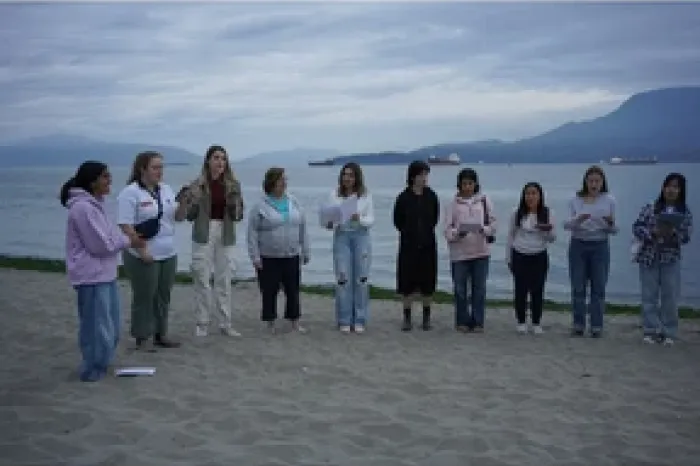
Meanwhile, on the west coast of Canada, students from the University of British Columbia (UBC) are harnessing the power of music to support ocean conservation. The UBC Ocean Song Project, led by a cappella singer Emiko Wijeysundera, features an innovative mash-up of popular songs with ocean-themed lyrics. This project brought together dozens of students who rehearsed on a beach before recording their track in a studio.
Their song, titled “Saltwater,” combines parts of well-known pieces like “Astronaut in the Ocean” by Masked Wolf and “Octopus’s Garden” by The Beatles. The project is not for profit; proceeds go toward planting mangroves, which protect coastlines and provide critical habitats for marine life. The effort reflects a growing awareness among young people about climate change impacts on oceans, especially after experiences like Wijeysundera’s co-op term in Nunavut where she witnessed rapid Arctic warming.
Both these stories highlight different ways humans connect with the ocean through sound—whether it be listening to ancient whale songs or creating music to inspire environmental action. Researchers hope that the old whale recordings will deepen understanding of how marine mammals adapt to noise pollution. At the same time, student musicians demonstrate how art can raise awareness and funds for protecting fragile ocean ecosystems.
The blending of science and music underlines the ongoing relationship between people and the sea. As oceans face increasing threats, such initiatives remind us that preserving natural soundscapes and fostering creativity around ocean themes are essential steps toward healthier marine environments.