

















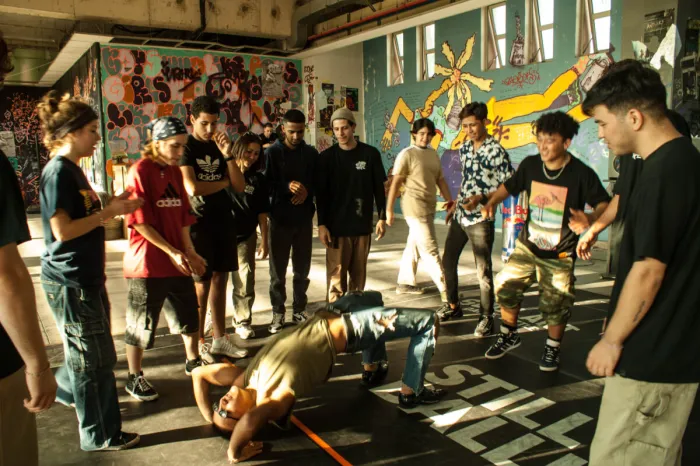
Every Wednesday evening, a group of young men gathers at a wooden gazebo in a DDA park in East Delhi, turning the space into a lively stage for their hip-hop performances. Known as the Jamnapaar Cypher, this community was started during the Covid-19 lockdown by two teenagers who wanted to create a place for local talent to shine and express themselves. Over the past six years, it has grown to attract thousands of followers online and hundreds of active members in person.
The cypher is not just about music; it is a space where emotions and stories come alive through rap. Participants share verses about their struggles, family pressures, and hopes for the future. One of the founders, Sameer Khan, explains that the project was born from a desire to change how people view East Delhi, an area often associated with negative stereotypes. He believes that the talent and creativity within Jamnapaar deserve recognition beyond these labels.
Influenced by mainstream rappers like Eminem and local artists such as East Delhi’s own Raga, who gained popularity with his song “Jamnapaar,” these young rappers find inspiration in their roots. Raga’s honest lyrics about personal pain and anger resonated deeply with them, showing that hip-hop could be a powerful outlet for their feelings and experiences.
The gatherings are vibrant and supportive, with rappers exchanging rapid-fire verses while the crowd cheers them on. Despite some opposition from nearby residents concerned about language and behavior, the group maintains rules to keep their sessions respectful, such as limiting loud profanity and restricting smoking inside the gazebo. The atmosphere is inclusive, though Sameer hopes to see more female rappers join, as currently few women participate due to intimidation by the large group of boys.
For many involved, hip-hop represents more than just music; it is a way to connect with personal histories and communities. Aditya Dutt, known as Ryugna, shares that his passion for rap stems from his late father’s love for hip-hop legends like Tupac. Others see the cypher as an opportunity to be heard and to belong in a world that often overlooks their voices.
As the Jamnapaar Cypher continues to grow in popularity and influence, it stands as a testament to how hip-hop culture can thrive outside its original birthplace in New York City. It highlights the global reach of this art form and its power to unite people through shared stories and collaboration. For these young artists in East Delhi, the park is not just a gathering spot but a stage where they transform their challenges into creative expression.