





















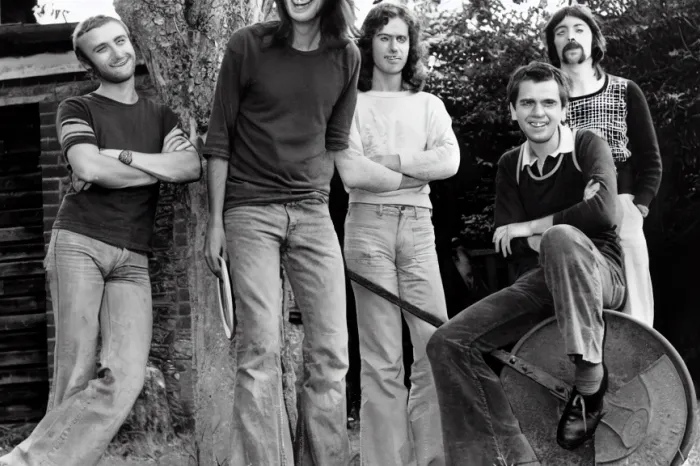
Peter Gabriel, the former lead singer of Genesis, has openly shared his mixed feelings about one of the band’s most popular songs, ‘I Know What I Like (In Your Wardrobe)’. Although the song has become a fan favorite over the years, Gabriel admitted that he never fully loved its chorus. He described the chorus as simple and “floaty,” contrasting it with the more complex and interesting verses that he enjoyed performing.
The song comes from Genesis’ 1973 album ‘Selling England by the Pound,’ an ambitious project exploring themes of English identity and cultural change. The album initially received mixed reviews, with some critics finding it too scattered in its ideas and sounds. However, over time, it has gained recognition as one of the band’s best works.
Gabriel explained that the album was meant to reflect on British culture and its decline, inspired partly by a Labour Party slogan. The themes emerged during the songwriting process rather than being planned from the start. ‘I Know What I Like’ tells the story of a groundsman who is content with his simple life operating a lawnmower, rejecting ambitions for greater success. This narrative was influenced by a painting called ‘The Dream’ by Betty Swanwick and elements from The Beatles’ psychedelic music.
Vocally, Gabriel teamed up with Phil Collins to create a chant-like effect in the song’s verses, which added a quirky and edgy feel during live performances. Gabriel often wore a hat and used visuals to embody the character of the song’s antihero. Despite this creative approach, he found the chorus less engaging because it lacked the depth and energy of other parts of the track.
Gabriel’s criticism highlights one reason why some listeners initially found ‘Selling England by the Pound’ difficult to connect with—it combined different musical ideas that sometimes felt inconsistent. Mike Rutherford, another member of Genesis, later described these differences as representing the fragmented nature of British culture at that time. In this way, what some saw as flaws in the album actually mirrored its cultural message.
Today, fans and critics alike appreciate the album’s complexity and its place in Genesis’ legacy. Gabriel’s reflections offer insight into the creative process behind songs about wishes and contentment, showing how even beloved tracks can have elements their creators wish they could change.