















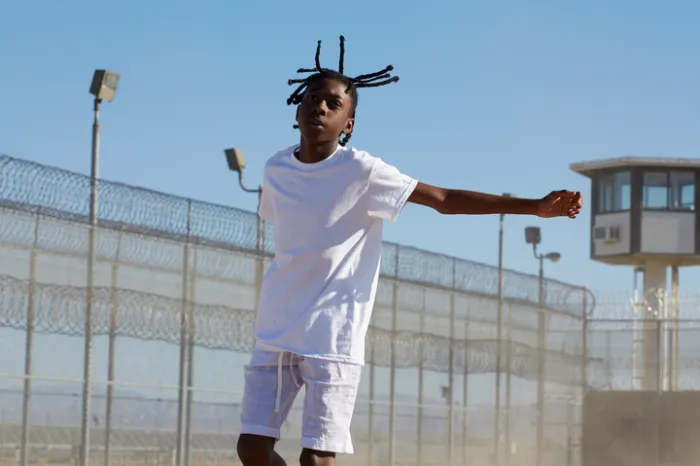
Music has long been a powerful tool for healing emotional wounds and overcoming personal trauma. Two recent stories highlight how songs can offer hope, forgiveness, and connection amid deep pain. James “JJ’88” Jacobs, a formerly incarcerated musician, transformed his experience of trauma and loss into a redemptive musical journey. During his time in solitary confinement, Jacobs wrote songs that helped him process the violence that shaped his youth, including the death of his brother and his own imprisonment for a violent act committed at age 15. His work culminated in the documentary-visual album “Songs From the Hole,” which premiered on Netflix and showcases how music became a vital outlet for reflection and healing while he was behind bars.
Jacobs’ story is unique because it focuses not just on incarceration but on personal transformation through music. Using his lyrical talent, he created freedom within confinement and found peace by confronting grief and seeking forgiveness. The project was developed with filmmaker Contessa Gayles and producer Richie Reseda, who helped bring Jacobs’ vision to life by blending interviews, jail phone calls, and music videos that illustrate both his painful past and hopeful future. This artistic collaboration underscores how music can serve as a form of therapy, helping individuals cope with trauma even under the most challenging circumstances.
In a separate but related exploration of healing through song, country music legend Rosanne Cash discussed how family stories and traditional songs express both sorrow and joy. Songs like “Will the Circle Be Unbroken” carry deep cultural meaning by acknowledging loss while celebrating enduring family bonds. Cash, daughter of Johnny Cash, shared insights on how storytelling through music preserves family history and supports emotional recovery. Her work with veterans writing songs about their trauma highlights how structured songwriting helps people articulate difficult feelings that might otherwise remain unspoken.
Research supports the idea that knowing family stories and engaging with music improves well-being. It strengthens identity, provides meaning, and offers ways to cope with grief. Country music’s focus on love, loss, and resilience reflects universal human experiences that connect listeners across generations. Both Jacobs’ hip-hop journey from prison and Cash’s reflections on country heritage demonstrate that songs about healing are not just entertainment—they are vital expressions of human spirit and survival.
Together, these narratives reveal that music can be a bridge between personal pain and communal understanding. Whether composed in isolation or passed down through generations, songs give voice to emotions that heal wounds too deep for words alone. For many, creating or listening to healing songs becomes a way to reclaim hope after tragedy and to celebrate the enduring power of family ties despite loss.
As James Jacobs now shares his story publicly through concerts and screenings, he embodies the transformative power of music to renew life beyond hardship. Rosanne Cash’s dedication to preserving family narratives through song reminds us all that healing is possible when we honor our stories openly. In this way, songs about healing continue to inspire resilience by turning grief into strength and solitude into shared connection.