











Songs about the sea continue to inspire communities across the United States, blending tradition with contemporary energy to preserve maritime culture. Recent events and gatherings highlight how these sea songs, ranging from historic shanties to modern folk renditions, bring people together in celebration of the ocean’s enduring influence.
In Portsmouth, New Hampshire, the 25th annual Maritime Folk Festival showcased a vibrant mix of sea songs and maritime traditions. Over two days, 14 musical acts performed at five venues along the city’s historic waterfront. The festival featured not only live music but also demonstrations of traditional crafts related to sailing life, including shanty singing used to coordinate shipboard work. Volunteer Harrison Woodman emphasized the festival’s role in keeping local maritime heritage alive. Performers traveled from multiple states, sharing their love for sea music and the sense of community it fosters.
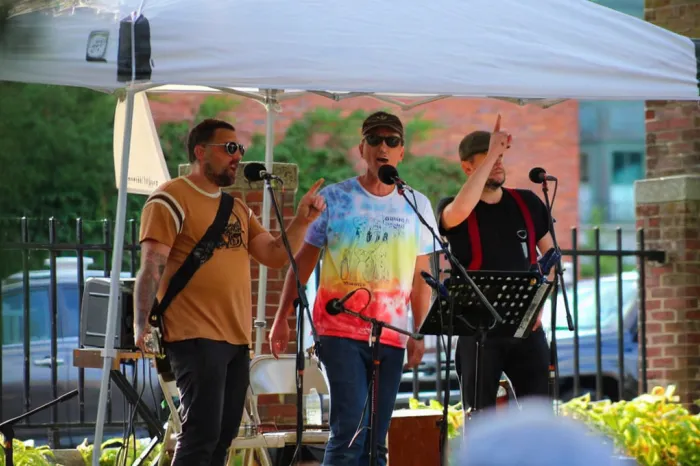
One of the standout groups, My Druthers from Connecticut, brought a fresh punk-infused energy to their folk and maritime music performances. Band members Dan Spurr and John Logan expressed their enthusiasm for the festival’s unique atmosphere and the opportunity to connect with other musicians who share their passion for sea songs. Educational demonstrations near a historic sailing barge helped visitors understand how shanties were used practically aboard ships, led by experienced performer Johan Heupel who has been involved in maritime music education since his youth.
Meanwhile, in Minnesota—a state known for its lakes rather than seas—sea shanty sing-alongs have become a beloved monthly tradition in the Twin Cities area. For over 15 years, musicians and enthusiasts have gathered at pubs and outdoor locations to sing these work songs without instruments or songbooks, emphasizing communal participation over performance. The Dubliner pub in St. Paul hosts one such night where patrons take turns leading classic sea songs, creating an inclusive and harmonious experience.
These gatherings are rooted in history but also offer stress relief and a strong sense of belonging for participants. Song leaders like Steven Levine and Robin Murie describe the events as more than just singing—they see them as powerful social experiences that connect people deeply through shared voices. Sea shanties’ call-and-response style makes them easy to learn and enjoyable for group singing, a factor that contributed to their resurgence during the pandemic through social media platforms.
The Minnesota community’s dedication reflects a broader trend of preserving maritime song traditions across diverse regions. As Doug McNair noted, these songs are historical treasures that remain accessible and fun, fostering interesting harmonies while honoring their origins as sailors’ work music. Larry Raineri highlighted how such events keep this unique piece of history alive despite geographic distance from the ocean.
Together, festivals like Portsmouth’s Maritime Folk Festival and regular sing-alongs in Minnesota demonstrate how songs about the sea continue to thrive both as cultural heritage and as living traditions. They connect people across generations and locations through shared stories and melodies inspired by life on the water. These musical celebrations ensure that maritime legacies remain vibrant parts of local communities well into the future.