
















French songs about love have a rich history that spans centuries, blending poetry and music to capture the emotions of longing, passion, and devotion. From medieval ballads composed by Guillaume de Machaut to contemporary interpretations by artists like Olivia Chaney, these songs continue to enchant audiences with their timeless themes and artistic depth.
Guillaume de Machaut, a leading poet and composer of the 14th century, is renowned for his contribution to medieval French music. Serving as a canon at the Reims cathedral, where French kings were crowned, Machaut crafted works that combined complex polyphony with poetic texts. His masterpiece, Messe de Nostre Dame, is the earliest known mass attributed to a single composer and remains a significant milestone in music history. However, Machaut’s secular love songs reveal a different side of his artistry. Through ballades, rondeaux, and motets, he explored courtly love with subtlety and emotional intensity. His rondeau “Rose, liz, printemps” praises the beauty of a beloved woman with delicate musical lines that intertwine and shift rhythmically, evoking a sense of gentle adoration.
Machaut’s works often express a tension between hope and despair in love. In the ballade “Riches d’amour,” he conveys feelings of desire mixed with rejection and sorrow. This intricate weaving of text and melody creates an intimate portrait of love’s complexities that resonates even after more than six centuries. Modern ensembles like Chanticleer have revived Machaut’s repertoire, performing it with a blend of historical authenticity and expressive freedom. Their renditions highlight how these medieval songs remain vibrant and relevant through careful interpretation.
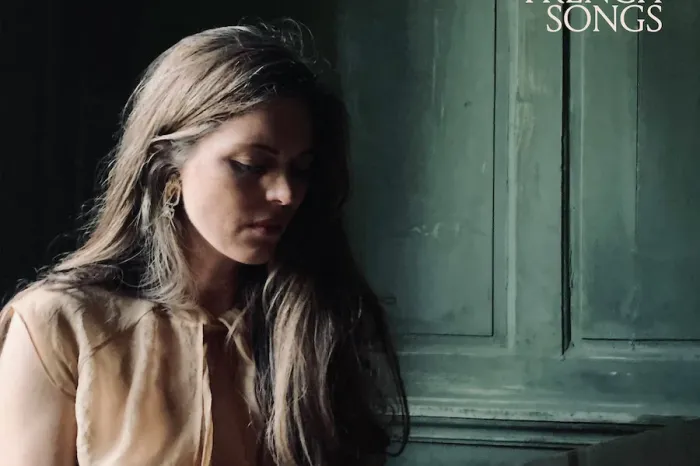
In contrast to Machaut’s medieval compositions, Olivia Chaney’s recent release, Six French Songs, offers a contemporary celebration of French chanson traditions. Recorded spontaneously during two summer evenings in New York City with producer Thomas Bartlett, the EP showcases Chaney’s skillful arrangements that span from 17th-century war-time ballads to 1960s yé-yé pop classics. Her version of “Auprès de ma blonde,” originally linked to the Franco-Dutch war era under Louis XIV, gained widespread attention online for its haunting harmonium accompaniment. The collection also includes adaptations of traditional sailor songs and poetic tributes to iconic women, all delivered with warmth and intimacy.
Chaney’s work highlights how French love songs continue to evolve while maintaining their core themes of life, death, love, and longing. The playful yet profound nature of these chansons connects listeners across generations. The EP’s release on vinyl and digital platforms invites a new audience to experience the enduring magic of French musical storytelling.
Together, the historical legacy of composers like Guillaume de Machaut and modern interpreters such as Olivia Chaney illustrate the richness of French songs about love. Their music reflects cultural shifts while preserving universal human emotions through poetic language and melodic beauty. As these songs are performed today on concert stages or streamed worldwide, they remind us that the language of love in music transcends time and continues to inspire.