


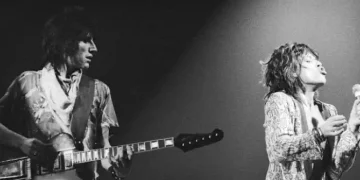


















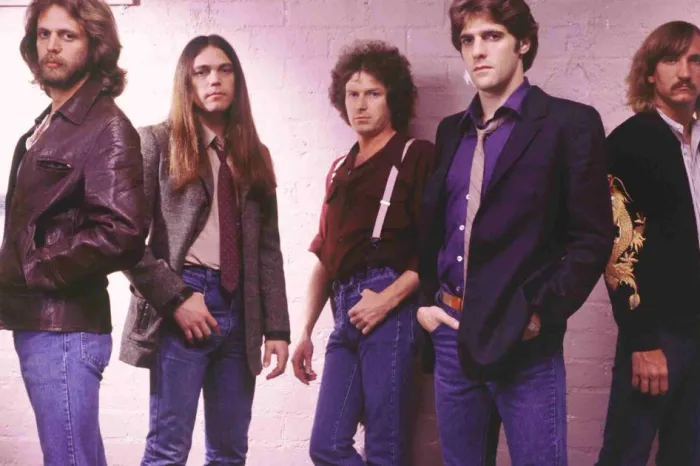
Country rock emerged in the late 1960s and early 1970s as a unique blend of Nashville’s traditional country sounds and California’s rock influences. This genre combined heartfelt storytelling with electric guitars and a rebellious spirit, creating songs about life on the road, heartbreak, and freedom. Artists like The Byrds, Gram Parsons, and Neil Young were pioneers who bridged the gap between country music and rock ’n’ roll, crafting a sound that remains influential today.
One of the most important albums in this genre is The Byrds’ “Sweetheart of the Rodeo” (1968). It is widely considered the album that truly defined country rock. The record mixes electric guitars with classic country instruments like pedal steel guitar and features storytelling lyrics full of emotion. This album inspired many future country rock artists, including the Eagles and the Flying Burrito Brothers. The track “You Ain’t Goin’ Nowhere” stands out for its catchy melody and clever lyrics.
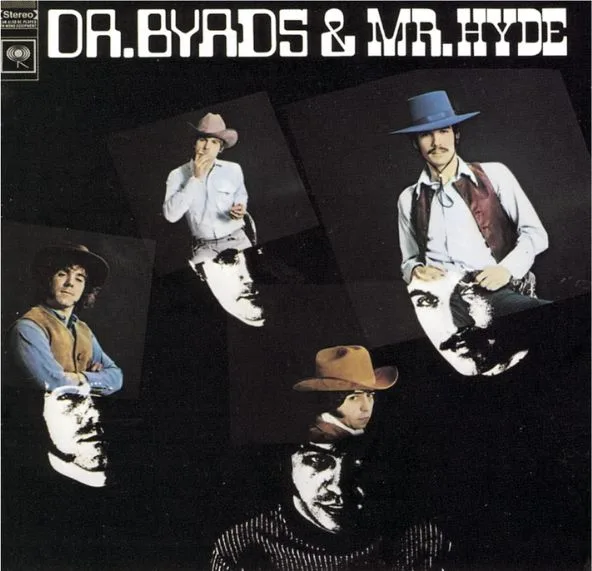
Gram Parsons’ “Grievous Angel” (1974) is another landmark album in country rock. Released after Parsons’ death, it combines traditional country sounds with rock rhythms and poetic songwriting. Emmylou Harris’s harmonies complement Parsons’ voice perfectly, making this album a timeless classic that influenced generations of Americana and alt-country musicians. The song “Return of the Grievous Angel” captures the emotional depth and musical style that made this album so special.
Neil Young’s contributions to country rock are significant, especially with his 1972 album “Harvest.” This record blends folk, rock, and country elements to create a warm, acoustic-driven sound. It features introspective ballads as well as upbeat tracks, showcasing Young’s lyrical honesty and musical versatility. “Heart of Gold” remains one of his most famous songs and a definitive example of country rock’s appeal.
The Grateful Dead also played a key role in shaping country rock with albums like “Workingman’s Dead” (1970) and “American Beauty” (1970). These albums marked a shift from psychedelic rock to more grounded, harmony-rich country sounds. Songs such as “Uncle John’s Band” and “Sugar Magnolia” highlight their ability to mix folk, bluegrass, and rock into accessible yet profound music. Their approach influenced many future roots-rock and alt-country bands.
Other notable albums include The Flying Burrito Brothers’ “The Gilded Palace of Sin” (1969), which fused traditional country twang with rock energy under Gram Parsons’ leadership. Linda Ronstadt’s “Heart Like a Wheel” (1974) helped bring country rock into the mainstream with its blend of pop-rock production and heartfelt storytelling. Emmylou Harris’ “Elite Hotel” (1975) showcased her beautiful voice and emotional performances that inspired many female singer-songwriters.
These albums represent just a portion of the rich history of country rock. From early experiments by Buffalo Springfield to Stephen Stills & Manassas’ genre-blending work in the early ’70s, artists pushed musical boundaries while honoring American roots traditions. The fusion of styles created a sound that was romantic, restless, and deeply connected to both home and the open road.
Today, these classic records continue to influence new generations of musicians exploring Americana, alt-country, and roots rock. They offer timeless stories told through a perfect mix of electric guitars, pedal steel, vocal harmonies, and heartfelt songwriting. For anyone seeking the best country rock songs or albums, these works provide an essential guide to understanding how this vibrant genre evolved and why it remains beloved around the world.