





















The world of rock music continues to be shaped by iconic bands whose sounds transcend generations. Among these, The Black Keys and The Black Crowes stand out as influential forces, each with a distinct style and story that resonates with fans across North America and beyond.
The Black Keys, formed in Akron, Ohio, in the late 1990s, have built their reputation on a raw and soulful blend of garage rock and blues. Dan Auerbach on guitar and vocals and Patrick Carney on drums began their journey in a basement, inspired by Delta blues legends like Junior Kimbrough and Howlin’ Wolf. Their debut album, “The Big Come Up,” recorded in Patrick’s attic with no overdubs, captured an authentic lo-fi sound that attracted listeners craving genuine rock energy.
Over the years, The Black Keys have evolved while staying true to their roots. Albums like “Thickfreakness” and “Rubber Factory” helped them gain cult status through relentless touring in small venues. Their breakthrough came with “Attack & Release” in 2008, produced by Danger Mouse, which introduced them to mainstream audiences with radio hits such as “I Got Mine.” Their 2010 album “Brothers” brought critical acclaim and commercial success, featuring Grammy-winning tracks like “Tighten Up.” The follow-up album “El Camino” solidified their place in rock history with hits like “Lonely Boy,” which became an anthem for a new generation.
Known for their explosive live performances, The Black Keys have headlined major festivals including Coachella and Bonnaroo. Their music combines gritty guitar riffs with powerful drumming, creating an energy that captivates audiences. With six Grammy Awards to their name and over 25 million albums sold worldwide, they continue to influence contemporary rock acts while maintaining a deep connection to blues traditions.
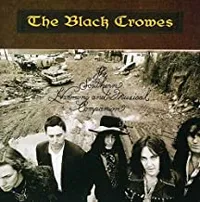
On the other hand, The Black Crowes emerged from Atlanta, Georgia, bringing a classic rock spirit infused with Southern soul and jam band influences. Fronted by brothers Chris and Rich Robinson, the band made a mark in the early 1990s with their debut album “Shake Your Money Maker,” featuring hits like “Hard to Handle”—a cover of Otis Redding’s classic—and “Jealous Again.” Their sound echoed the 1970s rock era with a fresh energy that appealed to alternative rock fans.
Despite changes in the music industry and internal band challenges, The Black Crowes maintained their rebellious attitude. They often eschewed commercial trends in favor of artistic freedom. Their 1992 album “The Southern Harmony And Musical Companion” remains a high point in their career, blending funk, soul, and rock in a way that recalled legends like the Rolling Stones and Led Zeppelin. Albums such as “Amorica” showcased their willingness to experiment with psychedelic and introspective sounds.
The band has experienced ups and downs over four decades but continues to produce music that resonates deeply with their fan base. Their recent albums, “Happiness Bastards” (2024) and “A Pound Of Feathers” (2024), released independently via their label Silver Arrow, have received critical praise for maintaining the authentic rock vibe while exploring new musical directions.
Both The Black Keys and The Black Crowes demonstrate how dedication to authentic sound and artistic integrity can carve lasting legacies in modern music. They show that big black songs about music aren’t just about sound but also about passion, history, and connection. For new fans exploring these bands’ discographies today, there is a rich world of blues-infused rock anthems waiting to be discovered.
As streaming platforms continue to introduce these artists to younger audiences through curated playlists and viral moments on social media, the enduring appeal of both bands proves that real rock music remains relevant. Their stories of humble beginnings, relentless touring, creative risks, and eventual mainstream success offer inspiration for musicians and listeners alike.
In essence, these bands remind us why big black songs about music are more than just tracks; they are cultural touchstones bridging generations through raw emotion and timeless grooves.