





















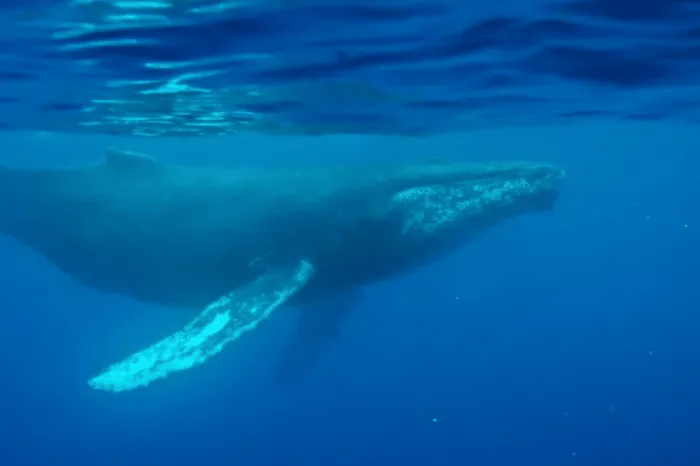
Researchers have recently uncovered the world’s oldest known recordings of whale songs, dating back to the 1940s. These historic audio recordings were captured off the coast of California and Bermuda, providing scientists with valuable insights into how marine environments and whale communication have changed over the past eight decades. The recordings primarily feature humpback whales, whose complex songs play a crucial role in their social behaviors, including mating and maintaining social bonds within pods.
The discovery comes from studies conducted by institutions such as the Marine Mammal Institute and Woods Hole Oceanographic Institution (WHOI). Early sound recordings were made using audograph discs, a durable medium that has preserved these important data. By comparing these older recordings to modern whale songs, scientists have observed significant changes in frequency, structure, and variety. Such transformations are linked not only to the whales’ evolving behaviors but also to environmental pressures like climate change, habitat degradation, and increasing noise pollution.
In the mid-20th century, oceans were much quieter than they are today. Human activities such as shipping, oil drilling, and industrial operations have dramatically increased underwater noise levels. This noise pollution interferes with whales’ ability to communicate effectively, which may impact their mating success and social interactions. Dr. Samantha Liu, a lead researcher on the project, explains that whales are highly sensitive to their acoustic environment. She warns that if these animals cannot hear one another properly, it could threaten their survival.
Climate change also plays a significant role in altering whale behavior. Rising ocean temperatures and acidification affect the availability of prey like krill and small fish, forcing whales to adjust their migration routes and feeding grounds. These shifts may also influence how whale songs develop over time, reflecting new social dynamics and environmental conditions.
The research highlights the importance of archival recordings as a historical record of ocean health. According to oceanographer Dr. Mark Thompson, these songs provide a timeline showing how human activity has affected marine ecosystems over decades. The findings emphasize the urgent need for policies aimed at reducing ocean noise pollution and protecting critical whale habitats through marine protected areas and sustainable fishing practices.
Conservationists view this discovery as a vital tool for raising public awareness about the fragile relationship between humans and marine life. Efforts to limit greenhouse gas emissions and preserve biodiversity remain key priorities to ensure the survival of whales and other ocean species. By listening closely to these ancient whale songs, scientists hope to guide future actions toward a more sustainable coexistence with our oceans.
In summary, the oldest whale song recordings offer more than just beautiful melodies; they serve as powerful indicators of oceanic change caused by human influence. This research not only deepens our understanding of whale communication but also calls for stronger conservation measures to protect marine life from ongoing environmental threats.