




















Beneath the ocean’s surface, sound behaves very differently than it does in the air. It travels about 1,500 meters per second underwater, which is roughly four times faster than in air. This rapid travel allows sounds to cover great distances, especially those with lower pitches that can carry far across the sea. The underwater environment is filled with a constant mix of noises, including waves, boat engines, and even seismic activity from deep within the Earth. However, one of the most distinctive sounds comes from snapping shrimp, whose crackling noises create an electric-like static that fills the water.
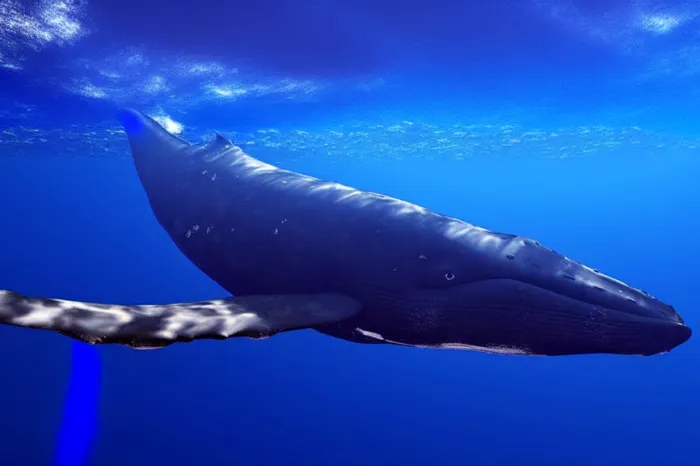
Among these natural underwater sounds, the songs of humpback whales stand out as some of the most remarkable. These whales produce complex melodies that can be heard miles away and consist of a wide range of tones, from deep bass notes to high-pitched squeals. The songs are structured with repeating themes that last up to 15 minutes and can be sung continuously for hours. Although only male humpback whales sing these songs, scientists are still uncertain about their exact purpose. It has long been assumed that these songs attract females, but there is no clear evidence of female whales responding to them.
The discovery and study of whale songs began in earnest at the end of the 1960s when researchers first recorded these underwater performances. Before then, there were only vague mentions in maritime literature about whales making sounds, often described as groans or cries heard above the water. Today, scientists analyze whale songs by breaking down their rhythms and patterns to better understand their structure and meaning. Despite decades of research, much about how whales produce these sounds and why they sing remains a mystery.
Some musicians have taken this fascination further by attempting to interact musically with whales. Using underwater speakers and hydrophones—special microphones designed for underwater use—humans have played instruments like clarinets submerged beneath the waves to blend their sounds with those of whales. These experiments create an interspecies musical exchange where human melodies mix with whale songs in real time. While it is unclear whether whales respond intentionally to these human sounds, the experience offers a unique way to connect with marine life through music.
Beyond whales, other underwater creatures also produce intriguing sounds that resemble music. In small ponds, for example, hydrophones reveal rhythms created by aquatic plants during photosynthesis and by tiny insects such as water boatmen and beetles. These natural sounds form complex patterns and overlapping rhythms that challenge traditional ideas about what music is. Such discoveries show that music in nature is not limited to large animals but can be found in many forms across different environments.
The idea of whale songs as music invites us to appreciate these natural sounds beyond scientific data or simple communication signals. Music is often described as organized sound, but defining what counts as music can be subjective. When we listen closely to whale songs or the rhythms of a quiet pond, we enter a world where sound connects living beings in ways that are still not fully understood.
Scientists believe whale songs serve multiple roles, such as navigation and social bonding within groups. These vocalizations may be part of whale culture and identity rather than just messages with specific meanings. The vast distances over which whale sounds travel—sometimes thousands of miles—highlight how important sound is in their underwater lives.
As humans continue exploring underwater soundscapes, new questions arise about how we might share experiences through music with other species. Whether or not whales recognize human attempts at musical interaction may remain unknown, but these efforts deepen our appreciation for the rich acoustic environment beneath the waves. Ultimately, the songs about whales represent a powerful reminder of nature’s creativity and complexity expressed through sound.