





















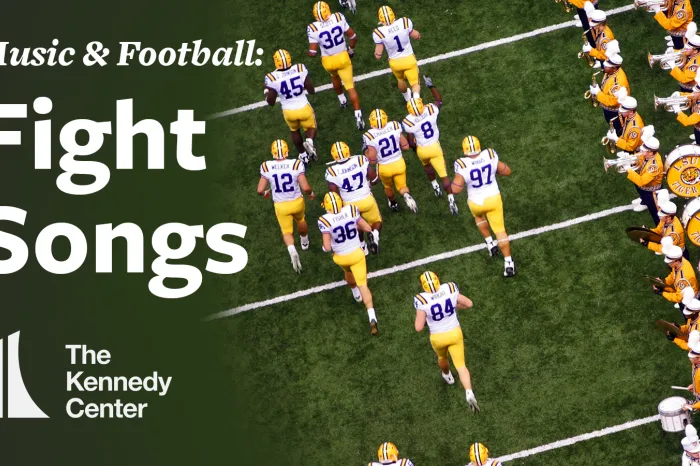
Football chants and songs have long been a vibrant part of the sport’s culture, uniting fans in stadiums and creating an electrifying atmosphere. These songs often reflect club pride, local identity, or playful rivalry, and many have become iconic over the years. From traditional anthems to humorous chants, football songs play a key role in fan experience and community spirit.
One of the most famous football songs is “You’ll Never Walk Alone,” famously sung by Liverpool supporters. This anthem has transcended its original context to become a symbol of solidarity and hope, resonating deeply not only with Liverpool fans but with football lovers globally. Its emotional power highlights how football songs can inspire and bring people together beyond the game itself.
Manchester United fans are also known for their passionate chants that echo throughout Old Trafford. While many of their songs are celebrated, some attempts at creating new anthems have met with mixed reactions. For instance, a recent song by Manchester City supporters was widely mocked as one of the worst football songs ever, illustrating how challenging it can be to craft a chant that captures the spirit and enthusiasm of fans without losing appeal.
In addition to club-specific songs, there are numerous football chants that celebrate players or moments in the sport’s history. These chants often emerge spontaneously during matches and spread rapidly among fan bases. They contribute to the dynamic and interactive nature of football culture, where fans actively participate in creating the matchday atmosphere.
Football songs also reflect cultural differences between countries and clubs. For example, Italian Serie A clubs like Inter Milan have their own unique chants that emphasize local pride and team history. Such songs often include references to legendary players or significant victories, strengthening the bond between the club and its supporters.
The role of football songs extends beyond stadium walls as well. They are frequently heard on television broadcasts, in pubs, and at fan gatherings worldwide. The popularity of these songs shows how deeply football is embedded in social life and popular culture. Moreover, the creative energy fans put into writing new chants keeps this tradition alive and evolving with each season.
Despite their popularity, not every new football song is embraced by fans. The reception depends on factors such as melody, lyrics, and timing. Successful football songs tend to be easy to learn, catchy, and capable of being sung collectively. In contrast, songs perceived as forced or awkward often face criticism or ridicule among supporters.
Ultimately, football chants and songs remain an essential element of the sport’s global appeal. They express passion, identity, humor, and rivalry all at once. Whether it is an old classic or a newly composed chant, these songs enrich the experience for players and fans alike by creating a unique soundtrack to the beautiful game.