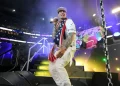
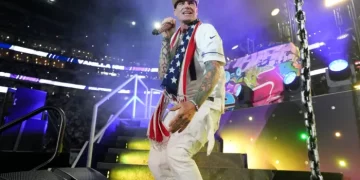













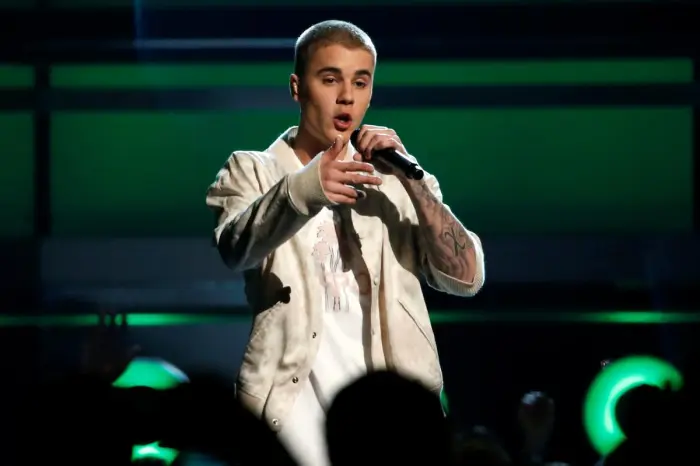
Justin Bieber’s much-anticipated return to live performance at Coachella 2026 has reignited worldwide discussions about his evolving career, blending nostalgia with new artistic directions. The Canadian pop star headlined the festival’s main stage after a multi-year break from full-scale touring, delivering a show that combined songs from his recent 2025 album Swag with throwbacks to his early hits. His performance was notable for its unique format, including moments where Bieber sat at a laptop on stage, playing YouTube clips of his younger self and singing along, which created a deeply personal but polarizing experience for fans.
The show earned Bieber an estimated $10 million and drew significant attention for its mix of new material and nostalgic reflection. While some fans appreciated the vulnerability and authenticity of revisiting his past in this unconventional way, others criticized the approach as lacking the high-energy spectacle typically expected from Bieber’s concerts. The set included special guest appearances from artists like The Kid Laroi and Billie Eilish, adding emotional highlights that balanced the more experimental segments.
Bieber’s wife, Hailey Bieber, was present in the audience and actively supported the performances, including an intimate collaboration with Eilish on the song “One Less Lonely Girl.” These moments underscored Bieber’s current focus on family and personal growth, marking a departure from his earlier image as a teen idol. Streaming platforms reflected the surge in interest following the festival, with Bieber achieving his highest single-day U.S. streams in 2026 immediately after his Coachella set.
Meanwhile, fan reactions on social media were sharply divided. Some longtime supporters celebrated the nostalgic journey through Bieber’s career as a touching tribute to his growth as an artist and individual. Others expressed disappointment over what they perceived as a less dynamic show compared to previous tours. Hashtags such as #BieberCoachella trended alongside critical tags like #WorstPerformance, highlighting the varied opinions.
Beyond Coachella itself, Bieber’s influence sparked fan-led events around the world. In Karachi, Pakistan, a local café named Third Culture Coffee hosted a “Bieberchella” event inspired by his Coachella performance. The gathering recreated a festival-like atmosphere where fans enjoyed live DJ sets playing Bieber’s biggest hits like “Baby” and “One Less Lonely Girl.” Attendees shared their experiences on social media, showing how Bieber’s music continues to inspire community celebrations across diverse cultures.
Industry observers note that despite mixed reviews of the live show, Bieber’s commercial success remains strong. His merchandise line reportedly generated record-breaking sales during Coachella weekend, and ticket demand surged for subsequent festival dates. Fellow artists including Justin Timberlake publicly praised Bieber’s return, while others offered supportive yet measured responses.
Looking ahead, Bieber’s team has hinted at more live performances in the near future, with an RSVP feature appearing on his official website fueling speculation about an upcoming tour. The artist has emphasized maintaining balance between his professional commitments and family life in recent interviews, suggesting future tours will be selective and designed around his current priorities.
Ultimately, Justin Bieber’s Coachella comeback has reignited conversations about nostalgia in music and how artists navigate their legacies while evolving creatively. His willingness to experiment with format and share personal moments on stage demonstrates a new chapter in his career—one that values authenticity over spectacle but continues to captivate global audiences more than 15 years after he first rose to fame.