




















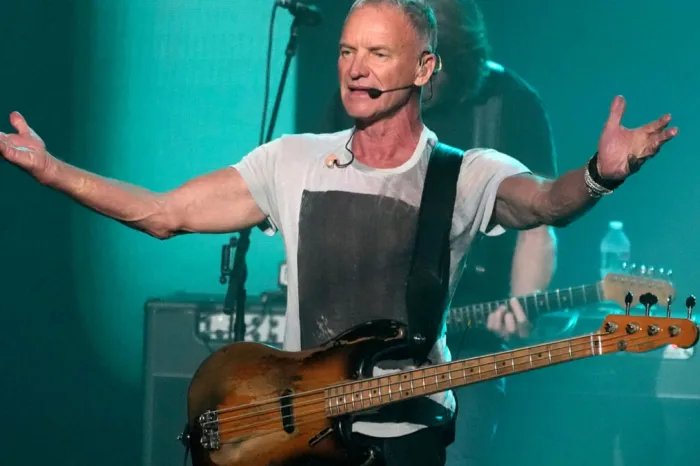
Sting, the British rock icon, has amassed an estimated net worth of $550 million over more than four decades in the music industry. His fortune comes from his time as the lead singer and bassist for The Police, as well as his successful solo career. Known offstage as Gordon Matthew Thomas Sumner, Sting’s earnings reflect his wide-reaching impact on music, including album sales, touring, royalties, acting, real estate investments, and publishing rights.
The Police, formed in the late 1970s with Stewart Copeland and Andy Summers, quickly rose to fame with their unique sound. They released five studio albums and won six Grammy Awards before disbanding after their highly successful album Synchronicity. Sting’s solo career further expanded his musical range into jazz, world music, and pop with albums like The Dream of the Blue Turtles and Brand New Day.
A major boost to Sting’s wealth came in 2022 when Universal Music Publishing Group purchased his entire songwriting catalog. This included iconic hits such as “Roxanne,” “Fields of Gold,” and “Every Breath You Take.” Although the exact amount was not officially confirmed, industry reports estimate the deal was worth around $300 million. This acquisition consolidated Sting’s songwriting legacy with his recorded music rights under one corporate umbrella.
One of Sting’s most lucrative songs is “Every Breath You Take,” which has generated substantial royalties over the years. Its value increased even more after Sean “Diddy” Combs sampled it for the 1997 hit “I’ll Be Missing You,” creating an additional stream of income. Over his career, Sting has sold more than 100 million albums worldwide and earned numerous awards including 17 Grammys, a Golden Globe, an Emmy, and multiple Oscar nominations for his film work.
Despite his immense wealth, Sting has openly stated that he does not plan to leave large inheritances to his six children. He wants them to develop independence rather than rely on trust funds. In interviews, he emphasized that he is spending much of his fortune during his lifetime and prefers his children to work for their own success. This approach aligns with other wealthy individuals who aim to encourage responsibility among their heirs.
Sting’s family includes six children from two marriages. He has also been deeply involved in charitable work alongside his wife Trudie Styler. Together they co-founded the Rainforest Foundation Fund in 1989 and have supported various human rights and environmental causes over the years.
Given the complexity of Sting’s assets—including music rights, property holdings, and philanthropic commitments—estate planning plays a crucial role in managing his legacy. Clear instructions are essential to ensure his wishes are respected and to avoid disputes among beneficiaries after his passing.
In summary, Sting has built one of rock music’s most enduring financial legacies through decades of creative output and savvy business decisions. Yet, he appears determined that this legacy will not simply be handed down but will encourage independence among those who follow him.