



















Punk rock has long been recognized as a powerful force that reshaped the landscape of rock and roll. Emerging in the mid-1970s, bands like the Ramones and the Sex Pistols brought a raw energy and rebellious spirit that challenged traditional rock music norms. Their influence not only gave birth to punk but also redefined what rock and roll could be.
The Ramones, hailing from Queens, New York, are often credited with creating the blueprint for American punk. Formed in the early 1970s, they stripped rock music down to its essentials: three chords, fast tempos, and catchy melodies. Their debut album, released in 1976, introduced a sound that was immediate and unpolished, a stark contrast to the more elaborate productions common at the time. Songs like “Blitzkrieg Bop” and “I Wanna Be Sedated” captured teenage frustration with humor and simplicity, inspiring countless young musicians to pick up instruments and form their own bands.
The band’s signature style combined aggressive guitar riffs with straightforward lyrics and an unmistakable visual identity featuring leather jackets and torn jeans. This approach made punk accessible to many who felt alienated by mainstream rock’s complexity. Although the Ramones never topped major charts during their career, their cultural impact has been profound. They influenced generations of punk and pop punk bands such as Green Day and Blink-182, proving that passion and attitude could outweigh technical virtuosity.
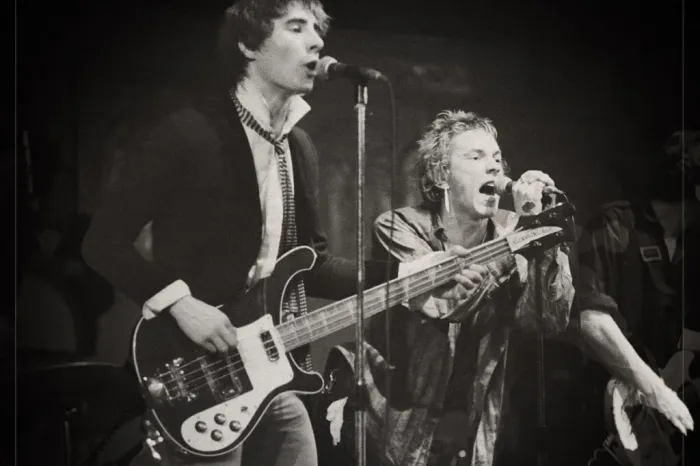
Across the Atlantic, the Sex Pistols brought a different kind of rebellion to rock music. Fronted by Johnny Rotten (John Lydon), the band emerged as provocateurs who sought to challenge not just musical conventions but societal norms as well. Rotten famously declared that the Sex Pistols were “the death of rock and roll,” positioning their music as an attack on established rock traditions. Despite their controversial image and media stunts, they followed a path similar to earlier rock acts by signing with major labels and igniting cultural debates.
The Sex Pistols’ brand of punk was confrontational and politically charged, embodying a working-class dissent against commercialization in music. Their short but impactful career helped ignite the UK punk explosion, influencing numerous bands that followed. While their style differed from the Ramones’ American punk sound, both groups shared a commitment to simplicity, directness, and rebellion.
Together, these bands illustrate how punk rock evolved as both a continuation of and a reaction against earlier forms of rock and roll. Rock music originated in the 1950s as a rebellious genre itself, blending rhythm and blues with country influences to create something new. Over time, rock expanded into various subgenres, including heavy metal and punk. Each wave of innovation challenged previous norms while acknowledging their roots.
Despite claims from some punk figures that they sought to kill traditional rock and roll, it is clear that punk could not exist without it. The interconnectedness of all these styles shows that new movements in music are built on the foundations laid by predecessors. The Ramones’ fast-paced anthems and the Sex Pistols’ anarchic energy both owe a debt to early rock pioneers who first broke musical boundaries.
Today, punk’s legacy endures through ongoing influence on modern music scenes worldwide. Streaming platforms continue to introduce new generations to classic tracks from these bands, while tribute acts keep their spirit alive on stages around the globe. The cultural symbols associated with punk—the Ramones’ iconic logo or the Sex Pistols’ provocative artwork—remain powerful reminders of a time when music was a direct expression of youthful defiance.
In summary, punk rock did not kill rock and roll; it revitalized it by returning to its rebellious roots with renewed urgency. The story of bands like the Ramones and Sex Pistols highlights how musical innovation often arises from both honoring tradition and challenging it. For anyone wondering who created rock and roll or how it evolved into its many forms today, understanding punk’s role is essential.