















Country music has long celebrated the figure of the cowboy, often portraying him through familiar themes of toughness, resilience, and traditional masculinity. However, many songs about cowboys tend to follow a predictable narrative, either highlighting the stoic, rugged male or focusing on heartbreak from a woman’s point of view. Recently, some artists have begun to challenge these conventional portrayals, offering new and diverse perspectives that add depth and emotional complexity to the cowboy story.
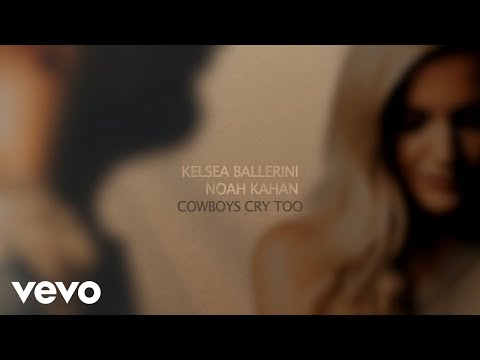
One notable example is “Cowboys Cry Too,” a duet by Kelsea Ballerini and Noah Kahan. This song breaks away from the stereotype that cowboys must be emotionally closed off and tough at all times. Instead, it highlights vulnerability and emotional openness as strengths. The lyrics explore how societal expectations pressure men to suppress their feelings, yet the song celebrates a man who embraces his emotions honestly. Ballerini’s verses express understanding and empathy for this kind of masculinity, while Kahan reflects on his own experience growing up with a father who was emotionally distant. Together, they offer a refreshing take on what it means to be a cowboy in today’s world.
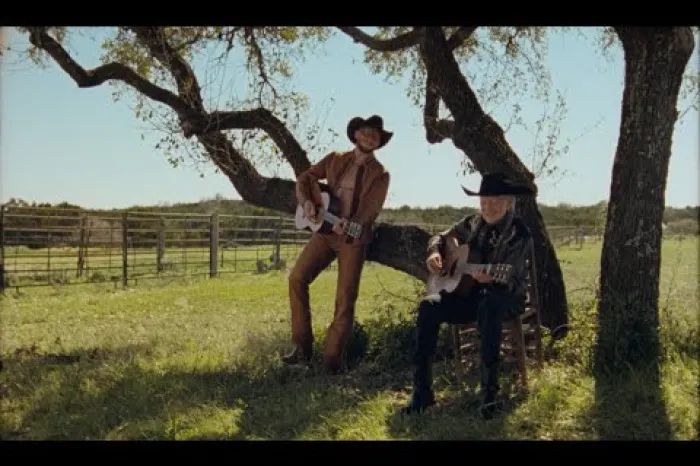
Another track that defies traditional country norms is “Cowboys Are Frequently Secretly Fond Of Each Other,” famously covered by Orville Peck and Willie Nelson in 2024. Originally written in the 1980s, this song addresses LGBTQ+ themes within cowboy culture—a subject rarely explored openly in country music. Its lyrics confront the discomfort small towns often feel about non-traditional expressions of identity and love among cowboys. By resurfacing this song decades after its initial release, Peck and Nelson helped bring a marginalized story into mainstream country music conversations, challenging long-standing stereotypes about cowboy masculinity and sexuality.
Miranda Lambert’s “If I Was A Cowboy” presents yet another fresh viewpoint by adopting the cowboy persona from a female perspective. Traditionally, women in country songs often lament cowboys for their wandering ways and inability to commit. Lambert flips this narrative by embodying the cowboy herself—asserting she would live freely and independently just like the men who inspired countless heartbreak songs. Her lyrics emphasize strength and self-determination, celebrating the idea of being a “queen” in the cowboy world rather than simply an observer or victim of its lifestyle.
These songs represent a broader shift within country music toward more nuanced storytelling about cowboys. They move beyond clichés to explore emotional depth, inclusivity, and empowerment. By doing so, these artists not only enrich the genre but also invite listeners to reconsider what cowboy culture really means in modern times. The evolving narratives suggest that cowboys can be tender, complex individuals rather than one-dimensional symbols of ruggedness or heartbreak.
As country music continues to grow and diversify, songs about cowboys will likely keep reflecting new voices and experiences. This trend demonstrates how traditional themes can be reimagined to resonate with contemporary audiences while honoring the genre’s roots. These fresh takes encourage fans to engage with country music in more meaningful ways and help broaden its appeal across different communities.