





















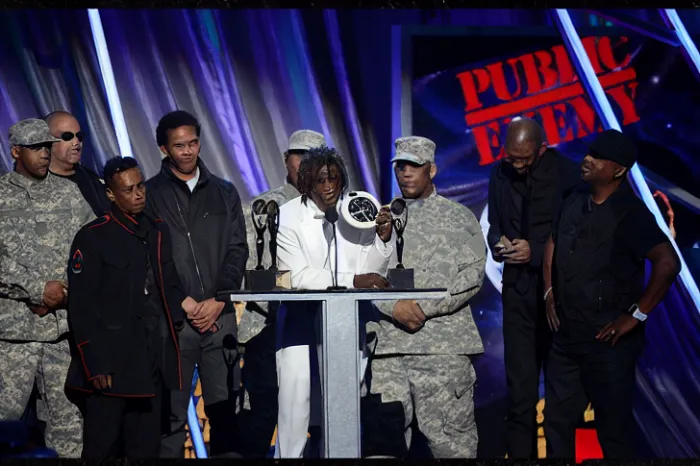
The ongoing debate about who truly belongs in the Rock and Roll Hall of Fame has resurfaced after Gene Simmons, the bassist and co-lead singer of KISS, publicly questioned the inclusion of rap artists in the prestigious institution. Simmons expressed his opinion during an episode of the “LegendsNLeaders” podcast, stating that hip-hop does not belong in the Rock and Roll Hall of Fame, emphasizing that it should be reserved for rock and roll music exclusively. He further added that genres like opera and symphony orchestras also do not fit within this category.
This stance immediately sparked controversy, especially among artists and fans of rap music. Chuck D, the legendary rapper and frontman of Public Enemy, responded directly to Simmons’ comments. He pointed out that Simmons appears to focus only on the “rock” part of rock and roll while overlooking the “roll,” which historically represents a broader musical evolution. Chuck D argued that many genres, including rap, emerged as part of this musical progression after rock and roll splintered in the 1960s.
Chuck D also highlighted that Simmons’ criticism seems partly motivated by frustration over rappers being inducted into the Hall before some classic rock bands like Iron Maiden. However, it is worth noting that Bruce Dickinson, Iron Maiden’s lead singer, has publicly expressed disinterest in joining the Hall of Fame, describing it as a “mausoleum” and suggesting that his band is not ready for such recognition since they are still active.
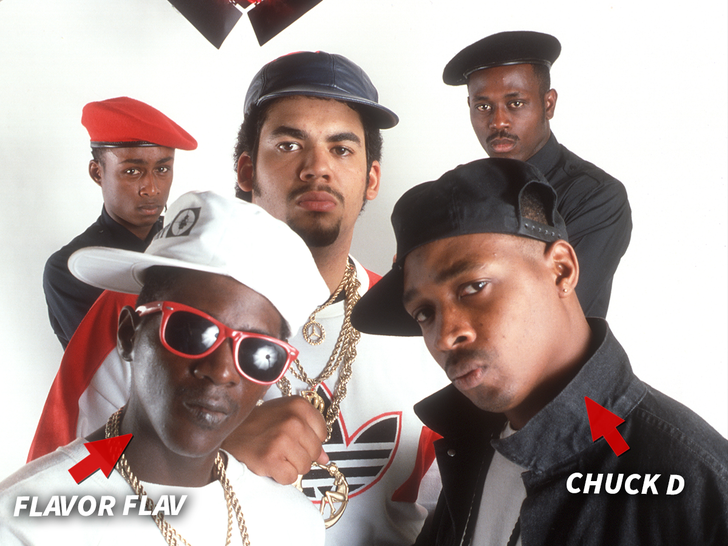
While Simmons is entitled to his personal view, Chuck D stressed the importance of preserving historical facts and narratives rather than trying to change public opinion. He acknowledged that Simmons has a history of voicing similar thoughts every few years but insisted that rap’s influence on music culture cannot be ignored or diminished.
The Rock and Roll Hall of Fame itself declined to comment on this dispute. Despite this silence, the conversation highlights a broader question about the origins and definition of rock and roll. Many experts trace rock’s roots to a mix of rhythm and blues, gospel, country, and early African American musical forms—genres closely linked to what later became hip-hop.
This debate also touches on the larger issue of how music history is recorded and celebrated. The Hall of Fame aims to honor artists who have significantly influenced music culture, regardless of strict genre boundaries. As rap continues to shape popular music globally, its place alongside traditional rock acts remains a point of contention for some but an accepted reality for many others.
In summary, the discussion ignited by Gene Simmons’ remarks underscores ongoing tensions about musical heritage and recognition. Chuck D’s response reinforces rap’s rightful claim to inclusion based on its cultural impact and historical ties to rock and roll’s evolution. As music genres continue to blend and influence each other, institutions like the Rock and Roll Hall of Fame face challenges in reflecting these changes fairly while respecting their origins.