










Lewis Carroll’s timeless work, Alice’s Adventures in Wonderland, has long captivated audiences with its whimsical and sometimes dark narrative. Beyond literature and film, this classic tale has significantly influenced the music world, inspiring numerous artists across various genres to create songs themed around the story’s characters and motifs.
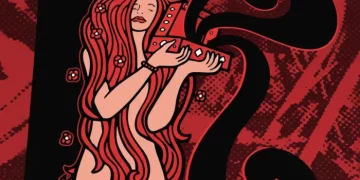
One of the most notable musicians deeply connected to the Wonderland universe is Marilyn Manson. His 2007 album Eat Me, Drink Me features a title track inspired by the menacing Red Queen, a character known for her ruthless demand for beheadings. Manson’s fascination with the darker aspects of Carroll’s work extended to his plans to direct a horror adaptation of the novel, although this project never materialized.
The psychedelic elements of Alice’s journey have also resonated strongly within rock and alternative music. Jefferson Airplane’s iconic song White Rabbit is perhaps the most famous example, using vivid imagery from Wonderland to explore themes often linked to drug culture. The song draws parallels between Alice’s fantastical experiences and psychedelic trips, a connection further popularized by its appearance in the film Fear and Loathing in Las Vegas.
Metal bands have found rich inspiration in the story’s eerie and surreal qualities. Cradle of Filth’s Malice Through the Looking Glass references the sequel Through the Looking-Glass while infusing it with their signature themes of death and darkness. Similarly, Saxon’s Queen of Hearts vividly portrays the tyrannical ruler’s violent outbursts, capturing the intensity of one of children’s literature’s most fearsome villains.
Other bands like Ghost have subtly woven Wonderland references into their lyrics. Their song See the Light includes phrases such as “drink me” and “eat me,” echoing iconic moments when Alice consumes mysterious substances that alter her size. These allusions offer listeners multiple layers of interpretation, blending spiritual symbolism with Carroll’s fantastical imagery.
In addition to rock and metal, artists in other genres have drawn on Wonderland’s influence. Norwegian avant-pop artist Jenny Hval released High Alice, a synth-heavy track that channels Alice’s mysterious journey through unknown realms. Hval describes her song as an exploration of major life themes—love, death, life, and the ocean—through a psychedelic lens inspired by Alice’s adventures.
The recurring motif of falling down the rabbit hole symbolizes a plunge into strange new worlds, which many musicians embrace as a metaphor for personal transformation or exploration. In This Moment’s album The Dream features multiple nods to Wonderland imagery, including references to clocks, rabbits, mirrors, and hearts that mirror elements from Carroll’s stories.
Aerosmith’s Sunshine lyrically recounts several Wonderland characters and scenes, from magic mushrooms to tea parties with the Mad Hatter. The band captures much of the surreal spirit that defines Carroll’s work while adding their rock sensibility. Meanwhile, Symphony X offers a lengthy conceptual piece titled Through the Looking Glass that narrates Alice’s journey toward becoming queen.
From psychedelic rock to metal epics and avant-pop experiments, Alice in Wonderland continues to inspire musicians who find its blend of whimsy, darkness, and curiosity irresistible. These songs not only pay homage to Carroll’s imaginative world but also invite listeners to experience their own journeys down the rabbit hole.