




















Songs have always been a powerful vehicle for expressing the many dimensions of life, capturing emotions, challenges, and stories that resonate on a deeply personal level. Recent releases from artists like Kip Moore and Paul McCartney continue this rich tradition, offering listeners profound reflections on human experience through their music.
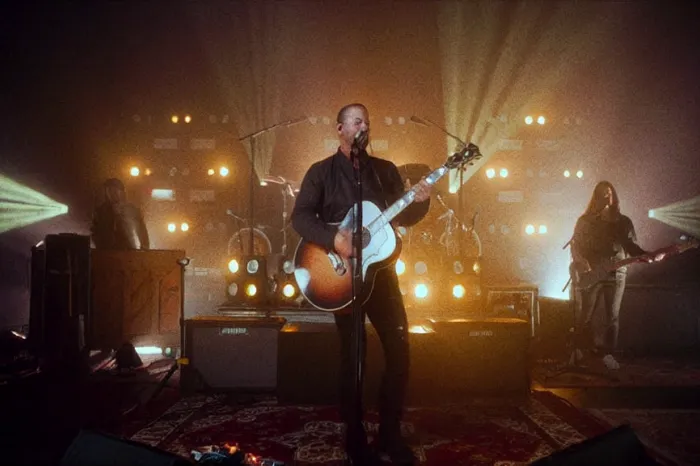
Kip Moore’s latest album, “Reason to Believe,” features 13 tracks that explore intricate emotions such as loneliness, resilience, love, and self-awareness. Critics have lauded the album for its heartfelt storytelling and genuine portrayal of life’s uncertain moments. The standout song “Lonely Tonight” masterfully blends feelings of solitude and yearning with a rock opera style that recalls classic 1970s influences. Other notable tracks like “Headlights” and “The Darkness” delve into themes of identity, purpose, and internal conflict without simplifying the complexities, highlighting life as an ongoing journey rather than a destination.
Moore’s songwriting often centers on perseverance in the face of uncertainty. For example, “Faith in the Wind” encourages listeners to embrace trust in the process instead of obsessing over outcomes. Additionally, narrative-driven songs such as “Josephine” offer vivid portraits of memory and regret, inviting audiences to connect their own experiences to the stories being told. Intimate moments appear on tracks like “You & Me,” where vulnerability is expressed with fearless honesty. Throughout the album, Moore skillfully combines heartland rock with country storytelling to create music that feels both intimately personal and widely relatable.
In a different yet equally impactful style, Paul McCartney’s new album “The Boys of Dungeon Lane” revisits his lifelong fascination with characters who live ordinary lives filled with extraordinary depth. From his early days with The Beatles to his extensive solo career, McCartney has consistently highlighted stories of people often overlooked. His song “Momma Gets By” portrays a hardworking woman who holds her family together through hardship, echoing themes found in his classic 1966 ballad “Eleanor Rigby.”
McCartney’s recent work also reflects on the passage of time and the memories that shape identity. Tracks like “Days We Left Behind” provide nostalgic yet hopeful insights into aging and change. The album blends reflective lyrics with diverse musical elements—from psychedelic influences in “Mountain Top” to heartfelt duets like “Home To Us,” featuring Ringo Starr. This collection underscores McCartney’s remarkable ability to merge personal history with universal themes such as love, loss, and resilience.
Together, these artists demonstrate how songs about life transcend entertainment to become narratives connecting listeners through shared human experience. Whether through Moore’s raw exploration of internal struggles or McCartney’s empathetic storytelling about everyday heroes, their music reminds us that song remains a vital means of understanding and expressing what it truly means to live.
As Kip Moore continues to write songs marked by emotional authenticity and Paul McCartney honors characters from his past with warmth and compassion, their work highlights the enduring power of storytelling through music. These albums invite audiences to reflect on their own paths while celebrating resilience, hope, and the rich complexity of life itself.