
















Hip hop is more than just music; it is a vibrant culture that has shaped communities and influenced generations worldwide. Rooted in the streets of New York and expanded through regions like Long Island, hip hop’s history reflects the struggles, creativity, and resilience of its artists and fans. Recent events and documentaries have spotlighted this cultural phenomenon, highlighting its deep impact on society and its ongoing celebration through community gatherings.
Long Island’s important role in hip hop’s early days was recently showcased in the documentary “The Sixth Borough,” which premiered at the Tribeca Film Festival and later screened at Hofstra University. The film brings attention to influential artists from the area, such as De La Soul from Amityville, Biz Markie from Patchogue, and Public Enemy from Hempstead. These pioneers started out as ordinary kids who found their voice through music and cyphers in school cafeterias. Director Jason Pollard emphasized the need to recognize Long Island’s contribution to what is often called hip hop’s golden era.
The documentary also explores the social conditions that shaped hip hop culture in Long Island during the 1980s. As Black families moved to suburban areas, they faced challenges such as racism, redlining, and the crack epidemic. These hardships fueled powerful artistic expression that went beyond music to include social commentary and community empowerment. Tara Martin of the Hip Hop Alliance noted that groups like De La Soul helped redefine hip hop by providing a platform for voices often overlooked, especially those of Black youth with diverse interests.
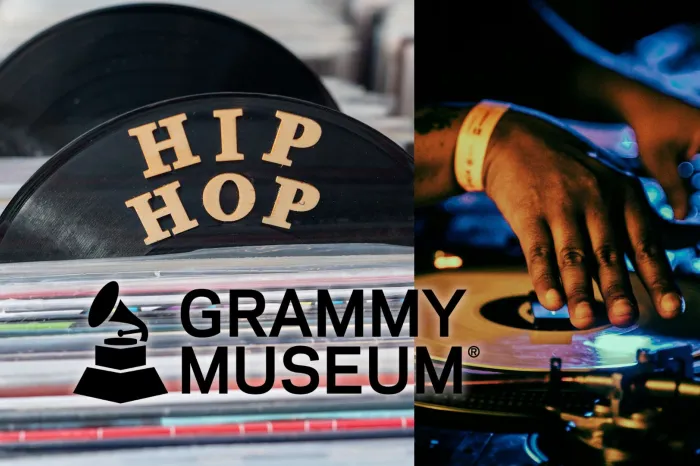
In addition to historical reflection, current celebrations keep hip hop culture alive and thriving. The Grammy Museum in Los Angeles recently hosted its Third Annual Hip-Hop Block Party. This lively event featured performances by LA Drumline, panel discussions about Black Music Month, fashion shows, DJ sets, spoken word poetry, comedy, and interactive games celebrating music knowledge. The event gathered artists, producers, community leaders, and fans to honor hip hop’s influence on music, art, fashion, and social movements.
The block party highlighted how hip hop continues to be a powerful force for community building and creative expression. Activities such as MC cyphers and jam sessions provided spaces for emerging talents to showcase their skills while connecting with established artists. This vibrant celebration demonstrated that hip hop remains a dynamic culture that evolves while honoring its roots.
The recent passing of rapper Rob Base also reminded many of hip hop’s lasting legacy. MC Lyte shared her tribute to Base, recognizing his profound impact on the genre and culture over decades. Such moments reflect how hip hop artists are not only entertainers but also cultural icons who shape identity and inspire new generations.
From historical documentaries to festive block parties and heartfelt tributes, hip hop stands as a rich cultural movement deeply woven into American history. It represents more than music; it embodies community resilience, artistic innovation, and social consciousness. As events continue to celebrate this culture’s past and future, hip hop’s story remains one of empowerment and enduring influence.