



















When star athletes retire, their next career moves are usually as predictable as rain at a British tennis tournament: book deals, commentary gigs, and, for the truly ambitious, podcasts. But when Caroline Garcia—fresh from her last match at the 2025 US Open—dove into the podcasting pool, she chose to swim against the current. Rather than letting a lucrative betting company sponsor her widely discussed show, The Tennis Insider Club, Garcia volleyed the offer into the stands with flair. Who needs $270,000 when you’ve got values (and maybe a ruthless backhand)?
podcast launches and the Charm of Going Rogue
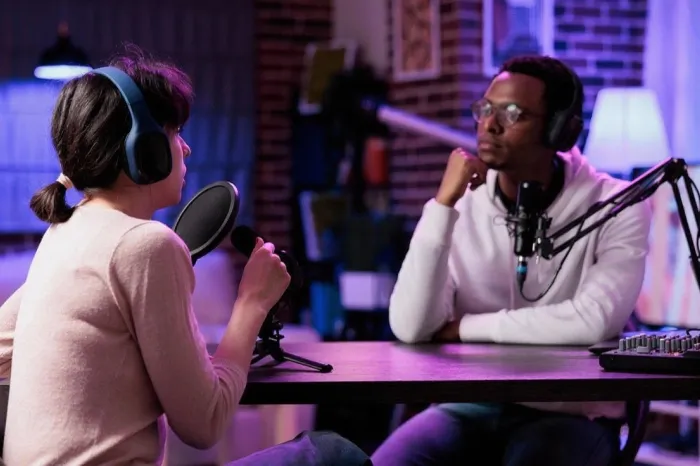
podcasts are the new karaoke: everyone wants a go, but not everyone should be on the mic. In Garcia’s case, however, her transition from tennis courts to podcast studios was as smooth as her drop shot. The Tennis Insider Club, launched alongside her husband in 2024, quickly drew attention for its candid chats with players, agents, and coaches. It wasn’t just another ex-athlete rambling about their glory days; it became a platform for open dialogue about the sport’s tougher side—especially the pressures lurking off-court.
But what set Garcia’s launch apart was her bold stance on sponsorship. While Silicon Valley wonders how many logos are too many (answer: all of them), and the tech world’s shows turn their microphones into advertisement billboards, Garcia spun the wheel the other way. She drew a hard line, refusing a betting company’s generous offer—not because the money wasn’t tempting, but because the consequences were not worth the price of a new Tesla or, say, a lifetime supply of high-performance racquets.
The Pressure Cooker: Why Athletes Say ‘No Thanks’
It’s easy to assume anyone who turns down enough cash to buy several Paris apartments is either allergic to bank accounts or has a message to send. For Garcia, the message was crystal clear: betting isn’t just an innocent distraction for fans; it’s an emotional minefield for athletes. Since the rise of online gambling, players from top-ten champs to journeyman pros have been overwhelmed with abuse, hate, and threats—often straight into their DMs, courtesy of disgruntled bettors. Some fans cheer, others demand their lost wagers back along with a personal apology and, occasionally, a spell in traffic court.
Garcia’s interviews exposed just how deeply the gambling culture cuts. Stories surfaced of players tormented after a missed shot, agents policing messages, and coaches fielding threats that would make a tabloid editor blush. sponsorship dollars from this world suddenly seemed less like support and more like a ticking time-bomb under the sport’s integrity.
Choosing Integrity Over Instant Revenue
Was Garcia’s stand brave? You bet. She publicly stated, “$270k is a lot. But building something long term, honest, and good for the sport is worth more.” Such a declaration is the sort of thing that makes accountants reach for their antacid tablets, but it’s also the kind of clarity that turns a post-match interviewee into a thought leader. It’s not just about turning down a check; it’s about shaping how the public—and other athletes—perceive the connection between sport and money.
podcast launches often mean grabbing every penny in sight, splattering the show’s logo with brands until their listeners need sunglasses just to read the episode title. The high-profile Technology Business Programming Network (TBPN), for example, revels in “overly sponsored” chaos, celebrating the symphony of branding almost as high-art. The result? A revenue machine, but perhaps not the best model for a space seeking honest dialogue over product placements.
podcasting Today: Between Storytelling and Selling Out
Garcia’s choice has kicked off a bigger conversation across the podcast universe. How should creators balance authenticity with commercial opportunity? Is there a line between sponsorship and selling out that, once crossed, you can never uncross?
In a world where creative agencies like Day Job pitch splashy, logo-saturated visuals to everyone from protein bar startups to AI unicorns, the urge to monetize quickly is real—and relentless. Tech podcasts have become showcases for eye-catching, sometimes absurd, branding, to the point where the style becomes the story. But for shows launched by athletes, especially those bearing the scars of reckless fan engagement and social media abuse, that noisy style feels both tasteless and dangerous.
Garcia’s approach is more, dare we say, old-school: raise your podcast on good storytelling, not easy money. The Tennis Insider Club’s reputation for honest conversations with tennis insiders—unvarnished by betting ties—may be slower to turn a profit, but it’s built to last.
What Happens When Integrity Goes Viral?
Refusing a big sponsorship might seem like a PR move destined to fade by next week’s episode, but Garcia’s boldness has already ignited discussion far beyond tennis circles. Fans cheered her decision; brand consultants debated on social media whether authenticity would now cost double. Other athletes, perhaps feeling the sting of past regret over dicey deals, have mused aloud about the power of choosing reputation over revenue.
By anchoring her podcast in clear values, Garcia carved out a niche in a crowded market. While the TBPN leans into its funhouse-mirror approach to branding—winking at the sponsored chaos—The Tennis Insider Club’s minimalist, principled look is itself a form of branding: a statement that not all attention is created equal. As more podcasts chase headlines and hustled revenue, this model might feel rebellious, but it also holds something rare in today’s media—trust.
The New Gold Standard for Podcast sponsorship
Garcia’s move isn’t for everyone. After all, not every podcaster has the financial cushion or platform of a former tennis star. Yet, as the lines between advertising and editorial grow ever fainter, listeners are waking up to the difference. They crave shows that talk with them, not just for them—and definitely not at them, in between forty-two frantic ad reads.
Will this mark a tipping point in Podcast launch strategy? It’s too early to say. Brands still wield vast budgets, creative agencies will continue cranking out clever pitches, and many hosts will keep chasing the wild ride of easy sponsorship. Yet Garcia’s Tennis Insider Club proves that for those who stand up early and loudly for their values, the court is always open—and the audience is listening.