





















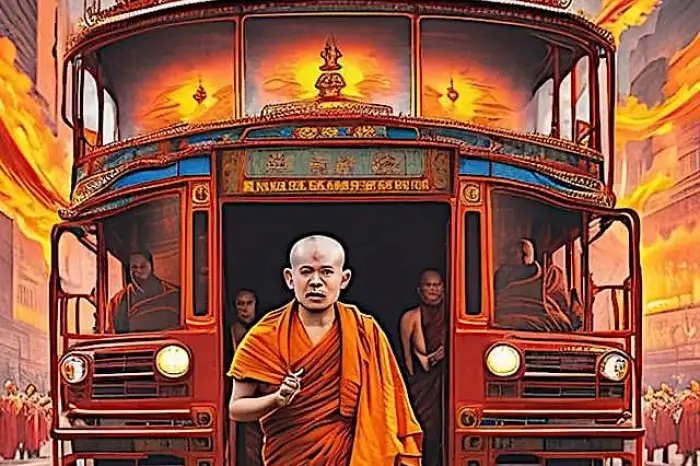
Setting the Scene: One Buddha, Multiple Vehicles, Infinite Questions
Quick quiz: What do Netflix binge-watchers and Buddhists have in common? Both appreciate a good variety! If the Buddha were alive today, he’d probably pitch a new series: “How I Met My Enlightenment—Theravada, Mahayana, and Vajrayana style.” But today, with most of us still struggling to tick off our laundry list of spiritual goals, the main debate is this: what is the difference between Theravada and Mahayana Buddhism?
Well, it’s not unlike asking why some people prefer documentaries while others are into epic sagas full of magical heroes (and perhaps, a flying bus). Much like one’s streaming preferences, your Buddhist path depends on your personal taste, your existential goals, and—let’s be honest—a little bit of karma. Let’s roll out the red carpet and explore these two main vehicles (no Uber required!)
Theravada: The Solo Hiker with Enlightenment GPS
Theravada (cue the serene flute music) is the original recipe—the “School of the Elders.” Its main premise: if you want something done right, do it yourself. Imagine the Theravada practitioner as the determined hiker, venturing solo up the mountain of wisdom. Equipped with the Four Noble Truths, the Noble Eightfold Path, and an ample stash of right mindfulness, one climbs to the summit. No cheating, no shortcuts, not even asking Siri for directions.
The goal here is sharp and clear: become an arhat, someone who achieves enlightenment, breaks free from the endless cycle of rebirth (samsara), and waves a polite goodbye to suffering. Tradition and discipline are the name of the game—monks and nuns lead by example, and personal effort is paramount. There’s no entourage of celestial beings or cosmic backup dancers. You get the enlightenment you earn with sweat, wisdom, and the occasional moment of existential panic.
Theravada is popular in places like Sri Lanka, Thailand, Myanmar, and Cambodia. It’s the original minimalist code: straightforward, disciplined, and marketed toward those who like their spiritual journeys solo, silent, and sans fireworks. The philosophy is clear—avoid the poisons of greed, hatred, and ignorance by following the Eightfold Path. Compassion is included (free with every enlightenment package), but the focus remains on self-liberation.
Mahayana: All Aboard the Big Heart Bus
Now, let’s switch genres. Mahayana is the Buddhism of grand gestures, cosmic compassion, and the glittering promise that no sentient being gets left behind. If Theravada is climbing Everest alone, Mahayana is driving a party bus up the mountain, picking up every hitchhiker along the way. “Enlightenment for all!” says the Mahayana practitioner, offering snacks of wisdom and drinks of loving-kindness to passengers ranging from fellow humans to the occasional suffering ghost.
The central hero here is the bodhisattva—a wise soul who gets just this close to nirvana, but then slams on the brakes and turns around to help everyone else make it. Enlightenment isn’t a solo trophy; it’s a team sport. This approach is a hit in China, Japan, Korea, Vietnam, and beyond. Instead of just following the Eightfold Path, Mahayana emphasizes the Six Perfections: generosity, morality, patience, energy, meditation, and wisdom.
But it’s not just crowded with kind-hearted mortals; Mahayana Buddhism’s pantheon features celestial buddhas and bodhisattvas, ready to lend a cosmic helping hand. Visualizing Amitabha Buddha to jet off to his Pure Land? Totally normal, says Mahayana—a spiritual version of boarding a luxury cruise, where enlightenment is easier to attain.
Key Differences: Solo Adventure vs Group Expedition
Let’s compare these two with the universal language of metaphors, because why not?
Personal vs Universal Mission: Theravada monks have their spiritual survival pack, ready to scale the heights of enlightenment alone. Mahayana, meanwhile, builds an elevator for everyone—animals, humans, troubled spirits, and possibly that weird neighbor down the hall.
Path of the Arhat vs Path of the Bodhisattva: In Theravada, the ideal is to become an arhat, self-liberated and free. Mahayana’s superhero, the bodhisattva, chooses to stick around and help others—but with absolutely zero pretension. Kind of like the colleague who bakes cookies for everyone but never nabs the biggest piece for themselves.
Practice Style: Theravada keeps it classic—meditation, contemplation, hefty doses of self-reflection, and a tightrope dance of renunciation. Mahayana offers a smorgasbord: chanting, rituals, visualization, maybe even a friendly chat with a celestial being if you need some motivation on a Monday.
Worldview: Theravada tends to downplay metaphysical bells and whistles; the gods and spirits are, frankly, a bit beside the point. Mahayana, on the other hand, flips open the cosmic Rolodex—everyone is welcome! “Form is emptiness; emptiness is form” isn’t just a confusing philosophical slogan, but a loving embrace of all existence, even the bits you can’t see.
Renunciation: Theravada encourages full renunciation—think shaved heads, monastic robes, living simply, and perhaps begging for breakfast (the original fasting trend). Mahayana soften things a bit, accommodating lay life: working, making friends, feeding monks, driving your kids to soccer, and still working on reducing everyone’s suffering.
Why Did Buddha Teach Multiple Vehicles? (Spoiler: He Was a Master Coach)
Buddha knew his students were about as varied as modern Netflix viewers. So he tailored his teachings to match each personality:
- For the lovers of habit and routine? Theravada’s step-by-step guidelines.
- For the worriers and the deeply empathetic? Mahayana’s “help everyone” philosophy.
- For the theorists, mystics, and daredevils? Vajrayana’s rollercoaster of esoteric practices—another story for another day.
Ultimately, all paths converge at the same destination: freedom from suffering, realization of Buddha nature, and perhaps, a blissful existence beyond the reach of the laundry pile.
Recap: Why Does It Matter?
Choosing between Theravada and Mahayana isn’t about picking a team or winning points. Both are valid, beautiful, and geared toward turning suffering into serenity. Whether you’re the solo hiker or the friendly bus driver, the secret is in finding the path that resonates with your unique karmic playlist.
So next time someone asks, “What’s the difference between Theravada and Mahayana Buddhism?” you can confidently reply: “It’s like choosing between hiking boots and a party bus. The destination is the same—the journey just gets a bit more crowded or a bit more quiet.” Enlightenment, after all, accepts all kinds of travelers—even those prone to asking directions at every turn.
The only real risk? Missing the fun of the journey by getting hung up on the route. Namaste, and happy wandering.